
History of the Original Roast Beef Po Boy Sandwich
3/8/20264 min read
The Birth of the Original Roast Beef Po Boy
The Po Boy sandwich, a quintessential fixture of New Orleans cuisine, has roots deeply intertwined with the socio-economic climate of the late 1920s. Its origins can be traced back to a time when the city was emerging from the lavish standards of the Jazz Age, only to be confronted by the looming shadows of the Great Depression. This economic hardship significantly influenced the creation of this iconic sandwich.
In 1929, Benny and Clovis Martin, two brothers and former streetcar drivers, opened a respectable sandwich shop in the heart of New Orleans. As the adverse effects of the Great Depression began to be felt, many working-class individuals faced financial struggles that impacted their access to affordable meals. The Martin brothers, keenly aware of their community's needs, sought to create a dish that was not only filling but also economical.
Thus, the concept of the Po Boy began to take shape. Originally, these sandwiches were made with simple ingredients, primarily roast beef, served on long loaves of French bread. The term "Po Boy" is widely believed to be derived from the slang “poor boy,” reflecting the sandwich’s humble origins. The Martins created the sandwich as a means of providing hearty, satisfying meals to those who had fallen on hard times, exemplifying a profound sense of community spirit.
Anecdotes further illustrate the sandwich's significance, with tales of the brothers giving away free sandwiches to fellow streetcar workers on strike. This not only cemented the Po Boy’s status as a staple of New Orleans fare but also highlighted the solidarity within the local labor community. The Po Boy transcended being merely a sandwich; it became a symbol of resilience in the face of economic adversity, showcasing how food can unite and nourish a community during times of crisis.
Key Ingredients of the Original Po Boy
The original roast beef Po Boy is a quintessential New Orleans sandwich, renowned for its combination of flavors and textures that encapsulate the city's vibrant culinary culture. At the heart of this classic dish lies the bread, which is traditionally a French baguette. The baguette's crusty exterior offers a satisfying crunch, while its soft, airy interior provides the perfect vessel for the sandwich's hearty fillings. This type of bread not only supports the weight of the ingredients but also absorbs the accompanying sauces, enhancing the overall taste experience.
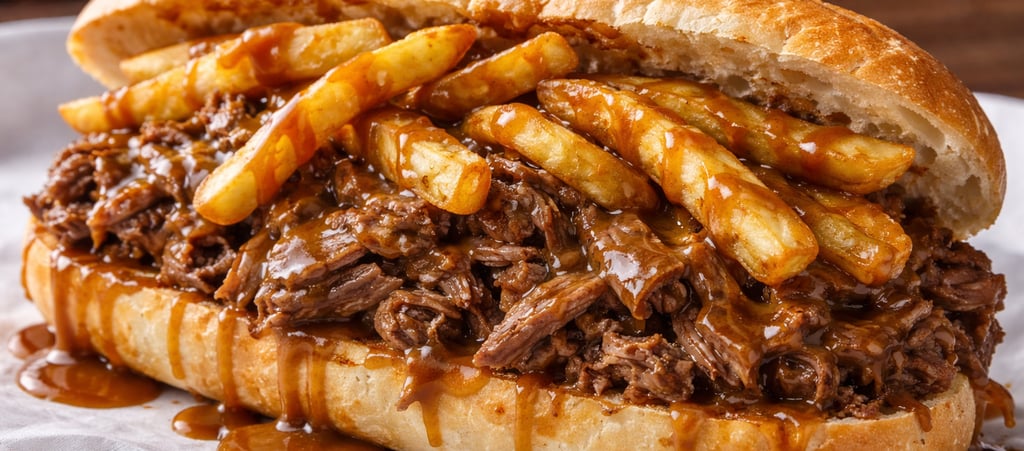
Next, the preparation of the roast beef is crucial in defining the quality of the Po Boy. Typically, the beef is slow-roasted to achieve optimum tenderness and flavor. Some variations include seasoning the meat with a blend of spices, which can range from simple salt and pepper to more complex marinades that reflect local tastes. The resulting roast beef is often sliced thinly and piled generously onto the bread, with gravy and french fries piled on.
In addition to the original ingredients, toppings play a significant role in the evolution of the roast beef Po Boy. Common modern toppings include crisp lettuce, ripe tomatoes, and tangy pickles, each contributing their unique textures and flavors. The choice of sauces, such as a spicy remoulade or a classic mayonnaise, further enhances the taste profile, adding creaminess or a kick of heat. These accompaniments not only complement the roast beef but also reflect the diverse and rich culinary traditions of New Orleans, showcasing a balance of freshness and robust flavors.
Preparing the Perfect Po Boy
Creating a classic roast beef Po Boy requires meticulous attention to preparation techniques that ensure the final product is both delicious and authentic. The first step in crafting this beloved sandwich is the cooking of the roast beef, which is typically slow-cooked for several hours. This method allows the beef to become incredibly tender, as it absorbs flavors from a variety of seasonings. A rich broth is often used, consisting of ingredients such as onions, garlic, and various herbs, which infuses the meat with depth and complexity.
During the cooking process, the beef should be roasted at low temperatures, ideally around 300°F (or 150°C), which helps maintain moisture while allowing the flavors to meld beautifully. Once fully cooked, the meat should rest before being sliced thinly to achieve the perfect texture for the sandwich.
The assembly of the Po Boy is equally significant and should be executed with care. Start with a fresh, crusty French bread, known for its airy interior and crispy exterior. The sliced roast beef is placed generously on the bread, and the traditional preparation includes a drizzle of gravy that enhances the flavor and keeps the meat succulent.
Locals often have their own preferences concerning additional toppings. Common variations include lettuce, tomatoes, pickles, and a dash of mayonnaise or hot sauce. Each ingredient contributes to the overall texture and taste of the sandwich. The significance of this assembly process cannot be overstated; it transforms simple ingredients into a handheld gastronomic delight that captures the essence of New Orleans cuisine.
Evolution of the Po Boy: Modern Variations
The Po Boy sandwich, originating from New Orleans in the late 1920s, has undergone a remarkable evolution since its inception. Initially conceived as a simple roast beef sandwich served on a crusty French bread, the Po Boy has diversified into a myriad of variations that reflect changing culinary preferences and influences. Today, one can find Po Boys filled with an array of ingredients, including seafood, fried chicken, and even vegetarian options, showcasing the dish's adaptability.
Seafood Po Boys have become particularly popular, featuring succulent fried shrimp, oysters, or catfish, often paired with remoulade sauce and dressed with lettuce and tomato. These variations not only pay homage to the coastal flavors of Louisiana but also embrace the region's rich fishing traditions. Fried chicken Po Boys have also emerged, satisfying the cravings for crispy, flavorful fare. This versatility reflects a broader trend in contemporary cuisine where traditional dishes are reimagined to cater to diverse palates.
The cultural legacy of the Po Boy sandwich in New Orleans cannot be overstated. It is a staple at local festivals, food trucks, and renowned restaurants, where culinary artisans continuously experiment with flavors and techniques. The sandwich's presence at events such as the New Orleans Jazz & Heritage Festival underscores its significance as a symbol of local heritage and communal identity. Restaurants across the city not only honor the classic roast beef Po Boy but also innovate by introducing unique recipes that incorporate local ingredients, thus preserving its relevance in modern dining.
As the Po Boy continues to evolve, it remains deeply rooted in its history while expanding its boundaries. This evolution reflects not only changes in food preferences but also the dynamic cultural landscape of New Orleans and the broader culinary world. The Po Boy sandwich, therefore, stands as a testament to both tradition and innovation in the culinary arts.