
History of the New England Grinder Sandwich
Explore the rich history and origins of the New England grinder sandwich. Learn about its unique ingredients and how it varies from other regional submarine sandwiches like the Philly hoagie and NY hero sandwich.
2/17/20264 min read
The Origins of the Grinder Sandwich: A History
The grinder sandwich, often referred to simply as a "grinder," has its roots embedded deeply in the culinary traditions of Italian-American communities, particularly in the New England region. Its evolution began with the traditional submarine sandwich, which originated in the late 19th to early 20th century as Italian immigrants settled in the United States. The submarine was characterized by its long, crusty bread filled with an assortment of meats, cheeses, and vegetables, influenced heavily by the Italian sandwiches from their homeland.
The term "grinder" itself is believed to have emerged in Connecticut, where it was popularized in the mid-20th century. One widely accepted theory suggests that the name came from the act of grinding or chewing through the dense bread, while another posits that it originated from the working-class neighborhoods where laborers would enjoy these hearty sandwiches during their breaks. Regardless of its true origin, the name is now synonymous with a specific style of sandwich that offers substantial and robust flavors.
Culturally, the grinder has become more than just a meal; it represents a sense of community and togetherness in local neighborhoods. In many regions, grinders are a staple at social gatherings, family picnics, and casual dining establishments. Their versatility, accommodating various fillings ranging from classic Italian meats to more contemporary ingredients, allows the grinder to cater to diverse tastes and preferences, making it popular across various demographics.
The grinder's prominence has extended beyond its New England birthplace, with variations found in various parts of the United States that reflect local flavors and customs. This adaptability speaks to the sandwich's enduring legacy as a beloved American food item, solidifying its status within the fabric of culinary history
Ingredients: What Makes a Grinder Different?
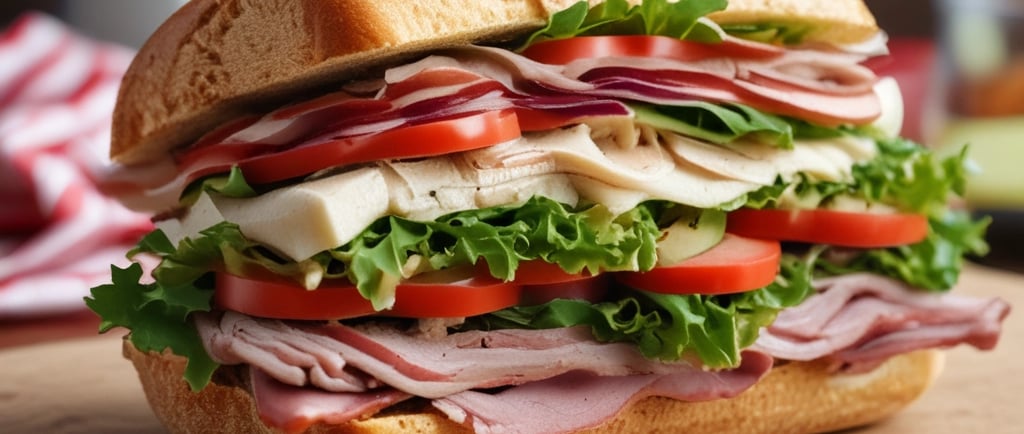
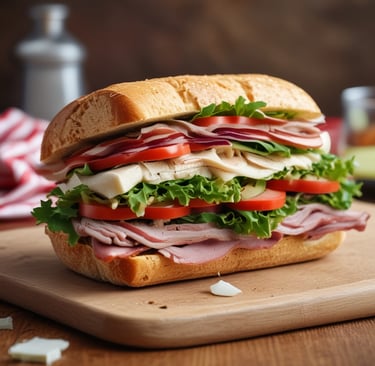
The grinder sandwich, a staple of Italian-American cuisine, is defined by a combination of ingredients that vary based on regional traditions and personal preferences. At its core, a grinder typically features a selection of sliced meats, which can include salami, capicola, ham, turkey, and even roast beef. Each type of meat contributes to the overall flavor profile, allowing for diversity in taste, texture, and aroma. The choice of meats not only reflects cultural influences but also personal flavor preferences.
In addition to the meats, a grinder usually includes a variety of cheeses, with provolone, mozzarella, and Parmesan being the most commonly used. These cheeses complement the cured meats perfectly, adding a creamy dimension that balances the savory elements of the sandwich. Moreover, the type of cheese can greatly influence the final taste, leading to distinct regional variations.
Vegetables are another essential component in creating a well-balanced grinder. Classic choices include lettuce, tomatoes, onions, and peppers, all of which add freshness and crunch. Some adaptations even incorporate pickles or olives, further enhancing the depth and creativity of the sandwich. The combination of fresh produce elevates the grinder, making it not only flavorful but also visually appealing.
Finally, condiments complete the assembly of a grinder, with mayonnaise, mustard, and various types of dressings being popular options. These elements not only contribute to moisture but also play a pivotal role in taste enhancement. Depending on the locale, the balance of ingredients may shift, giving rise to unique interpretations of the grinder that reflect the local palate.
New England's Spin on the Submarine Sandwich
In the realm of American sandwiches, the grinder stands out as New England's distinctive take on the classic submarine sandwich. While both share similar characteristics, such as a long roll filled with a variety of meats, cheeses, and vegetables, the grinder incorporates unique elements that reflect the culinary traditions of the region. One significant difference lies in the type of bread used. In New England, grinders are typically made with a crusty Italian or French bread that has a chewy texture, allowing it to hold up against the hearty fillings often packed inside.
Regional nuances also extend to the choice of toppings and ingredients. The grinder is traditionally loaded with a variety of local favorites that capture the essence of New England cuisine. Ingredients such as roasted turkey, spicy Italian sausage, or even fresh seafood contribute to a diverse palette, while toppings often include pickled vegetables, fresh herbs, and tangy sauces, resulting in a flavor profile that is uniquely regional. Furthermore, cheese options may lean towards provolone or mozzarella, which pair seamlessly with the savory meats.
The preparation methods for grinders also set them apart from other variations of submarine sandwiches found across the United States. While some subs are served cold with unheated ingredients, New England grinders are frequently baked or toasted, allowing the cheese to melt and the flavors to meld, creating a warm, comforting meal. This method enhances the overall experience, making the grinder a beloved culinary staple in New England. Overall, the grinder is not just a sandwich but a celebrated representation of New England's rich culinary heritage, combining local ingredients and traditional techniques to deliver a truly unique dining option.
Popularity of the Grinder Today: A Culinary Staple
The grinder, a beloved submarine sandwich, has transcended its humble beginnings to become a prominent feature on menus throughout the United States. Today, it is not merely a regional delicacy but a widely celebrated culinary staple, catering to diverse tastes and preferences. From diners to pizzerias and specialty sandwich shops, the grinder's presence is significant, appealing to various demographics and palates.
One of the reasons for the grinder's enduring popularity is its versatility. This sandwich can be customized to suit individual preferences, featuring an array of fillings such as meats, cheeses, vegetables, and condiments. The flexibility allows chefs and home cooks alike to experiment with flavors, creating unique interpretations that resonate within different communities. For instance, some establishments have embraced gourmet ingredients or sophisticated flavor combinations, while others stick to traditional recipes that honor the grinder’s rich history.
Moreover, the influence of social media and food trends cannot be overlooked. Platforms like Instagram and TikTok have played a pivotal role in elevating the visibility of the grinder. Food enthusiasts share visually appealing images of their sandwiches, often featuring vibrant ingredients and elaborate presentations. Such posts not only spark interest but also encourage local eateries to innovate and refine their offerings, leading to a resurgence in the grinder’s popularity.
This renewed interest is also evident in food festivals and culinary events where the grinder is showcased, allowing chefs to demonstrate their creativity and skill. As a result, the sandwich continues to evolve while retaining its core identity, merging tradition with modern influences. With these trends, the grinder remains not just a meal option but a celebrated symbol of culinary culture in America.