
History of the Italian Caprese Sandwich
3/19/20264 min read

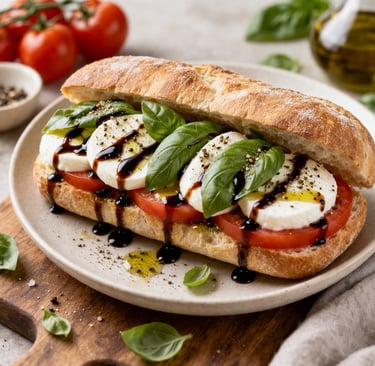
The Origins of the Caprese Sandwich
The Caprese sandwich, often celebrated for its simplicity and freshness, finds its roots on the picturesque island of Capri, located in the Bay of Naples, Italy. This region is renowned not only for its stunning landscapes but also for its culinary traditions that emphasize fresh, local ingredients. The sandwich's composition highlights the essence of Italian cuisine, showcasing the quality of each component rather than relying on complex flavors or elaborate preparations.
Historically, the Caprese sandwich emerged in the mid-20th century, reflecting a growing appreciation for the straightforward yet delicious pairing of mozzarella, tomatoes, and basil. These ingredients, which are staples in both Italian cooking and Mediterranean cuisine, are representative of the agricultural bounty of the Capri region. The mozzarella, preferably made from water buffalo milk, offers a creamy texture that complements the firm yet juicy character of ripe tomatoes. Fresh basil contributes aromatic notes that enhance flavor balance, creating a harmonious union of tastes.
The Caprese sandwich’s popularity grew as it became a symbol of the Mediterranean lifestyle, particularly in summer when tomatoes ripen and basil is at its peak. This dish encapsulates Italian food culture's appreciation for seasonal, high-quality ingredients. Over time, various adaptations of the Caprese sandwich have appeared, appealing to diverse palates while still honoring its origins. Modern interpretations may include variations with additional ingredients like pesto or balsamic vinegar, yet the essential elements reflecting the flavors of Capri remain at the heart of every Caprese creation.
In summary, the Caprese sandwich represents more than just a meal; it is a reflection of Italian heritage and culinary philosophy, stemming from a small island that cherishes simplicity and authenticity in food.
Key Ingredients and Preparations
The Classic Italian Caprese sandwich is celebrated for its simplicity, primarily relying on a few key ingredients that embody the essence of Italian cuisine. The foundational components of this delightful sandwich include fresh mozzarella, ripe tomatoes, aromatic basil, and high-quality extra virgin olive oil. Each ingredient plays a significant role in creating a balanced and harmonious flavor profile that is both fresh and satisfying.
Fresh mozzarella, traditionally made from water buffalo’s milk, is creamy and flavorful, offering a mild taste that complements the other ingredients. It is essential to select mozzarella that is not overly processed, as this can lead to a rubbery texture that detracts from the sandwich experience. Ripe tomatoes, preferably heirloom or vine-ripened varieties, should be chosen for their natural sweetness and juiciness, adding a refreshing contrast to the rich mozzarella.
Basil, with its distinctive aroma and slight peppery flavor, is crucial in enhancing the overall taste of the sandwich. The use of fresh basil leaves is recommended over dried alternatives, as the vibrant green leaves offer a brightness that elevates the sandwich significantly. Additionally, a drizzle of high-quality extra virgin olive oil brings a luxurious richness and depth of flavor, tying the ingredients together into a cohesive dish.
Preparing a classic Caprese sandwich involves more than simply layering the ingredients. Attention to detail is paramount; the sandwich should be assembled with care, often starting with a base of juicy tomato slices, followed by thick slices of fresh mozzarella, and crowned with fresh basil leaves. A final drizzle of olive oil and a sprinkle of sea salt can enhance the flavors even further, emphasizing the natural qualities of each ingredient. This meticulous approach not only highlights the sandwich's components but also honors the culinary heritage of Italy.
Regional Variations of the Caprese Sandwich
The Caprese sandwich, while originating from the enchanting island of Capri, has evolved into various regional iterations across Italy and beyond. Each locale introduces distinct elements that highlight the local culinary traditions, ingredients, and tastes. As such, the Caprese sandwich serves as a reflection of Italy’s rich gastronomic heritage.
In the Campania region, where Capri is located, the classic Caprese sandwich showcases the simplicity and quality of local produce. Often, it features fresh buffalo mozzarella, which offers a creamier texture than the cow's milk mozzarella used elsewhere. The addition of locally grown tomatoes, particularly the San Marzano variety, provides a burst of flavors that are characteristic of the region’s sun-kissed land.
Moving northward to regions like Emilia-Romagna, the Caprese sandwich may incorporate a slight twist, often including aged balsamic vinegar and perhaps even prosciutto di Parma, adding a savory depth to the dish. This adaptation exemplifies how regional specialties can enhance traditional recipes, inviting diners to experience a harmonious blend of flavors.
In Sicily, the Caprese sandwich may see further innovations, incorporating local herbs such as oregano and capers, which lend a distinct Mediterranean flair. Additionally, chefs might experiment by using locally sourced bread, from rustic Sicilian loaves to lighter focaccia, showcasing the diversity of Italian bread-making traditions.
In contemporary culinary scenes beyond Italy, chefs and food enthusiasts are crafting creative adaptations of the Caprese sandwich. From incorporating avocado for a creamy texture to incorporating pesto for an additional flavor layer, these variations continue to honor the essence of the Caprese while appealing to modern palates. By embracing local ingredients and imaginative twists, the Caprese sandwich maintains its relevance in today’s gastronomic landscape.
The Caprese Sandwich Today: Popularity & Significance
The Caprese sandwich has enjoyed a remarkable surge in popularity in recent years, firmly establishing itself as an iconic dish within Italian cuisine and beyond. Originating from the picturesque island of Capri, this sandwich exemplifies simplicity and freshness through its assembly of ripe tomatoes, mozzarella cheese, basil, olive oil, and seasoning. Its appeal has transcended regional boundaries, making it a favored option in various culinary contexts worldwide.
In major cities and quaint bistros alike, the Caprese sandwich is celebrated not only for its delightful flavors but also for its vibrant presentation. The colors of the ingredients—red, white, and green—reflect the Italian flag, adding to its cultural significance. As a dish that highlights Italy's rich agricultural heritage, the Caprese sandwich serves as a culinary ambassador, promoting the values of fresh, local ingredients and traditional methods. It is often featured prominently in Italian-themed eateries, markets, and food festivals, captivating the hearts and palates of many.
Moreover, the cultural representation of the Caprese sandwich extends into popular media, where it frequently symbolizes Italian heritage and gastronomical pride. Its presence in cookbooks, cooking shows, and even social media platforms has increased its visibility, allowing it to reach a global audience. The Caprese sandwich stands as a testament to Italy's influence on world cuisine, demonstrating how a simple dish can carry deep cultural meanings while also evolving to cater to contemporary tastes.
In essence, the Caprese sandwich not only embodies the essence of fresh Italian cuisine but also resonates with food enthusiasts, serving as a bridge between cultural traditions and modern culinary practices.