
The Hamburger: Origins to Modern Variations
2/2/20264 min read
The Origins of the Hamburger
The hamburger, a dish that has become synonymous with American cuisine, traces its roots back to Germany, specifically to the city of Hamburg. The term "Hamburg steak" refers to a method of preparing finely chopped or ground beef, which was popular among German immigrants in the 19th century. They brought this culinary tradition with them to the United States, where it gradually evolved into the modern hamburger we know today.
One popular theory regarding the hamburger’s origins suggests that it was first served in the early 1900s at various food events, including the 1904 St. Louis World’s Fair. It is believed that vendors sold sandwiches featuring minced beef patties, which were easily consumed by attendees, marking the moment it gained significant traction among the American public. This coincided with the growing popularity of fast food and the demand for convenient meal options during a time of rapid industrialization.
Immigrant influence was pivotal in popularizing the hamburger, as German-Americans began to establish diners and restaurants where they could share this dish with a broader audience. Some of the earliest establishments to serve hamburgers include New York's Louis' Lunch and Wisconsin's Charlie Nagreen, who is credited with introducing a ground beef patty served between slices of bread. These early iterations of the hamburger reinforced the dish's identity and connected it to American social settings.
Additionally, key figures such as White Castle's Billy Ingram and McDonald's Ray Kroc played vital roles in further popularizing the hamburger in the mid-20th century, transitioning it from a regional delicacy to a global fast-food phenomenon. This journey from the humble Hamburg steak to the iconic American hamburger illustrates the dish's adaptability and enduring appeal across various cultures and historical contexts.
Evolution of Hamburger Variations
The hamburger, a culinary staple known for its versatility, has seen a myriad of variations evolve over the years. Each variant carries its unique flair, reflecting the diverse tastes and preferences of people around the world. The classic hamburger, simply consisting of a ground beef patty served within a bun, has laid the groundwork for numerous adaptations. One of the most popular variations is the cheeseburger, which incorporates a slice of cheese, typically American, cheddar, or Swiss, melting over the beef patty. This addition not only enhances the flavor but also adds a creamy texture, making it an instant favorite among many.
Among other notable variations is the bacon cheeseburger, which elevates the traditional cheeseburger by including crispy bacon strips. This combination of beef, cheese, and bacon caters to those who appreciate a savory and rich profile, offering a satisfying experience. Then we have regional specialties, such as the Jucy Lucy from Minnesota, which features cheese stuffed inside the patty itself, resulting in a molten center that surprises and delights diners. Meanwhile, the slider, a smaller version of the hamburger, has gained popularity at social gatherings, allowing for easy consumption alongside various toppings.
The hamburger has also undergone innovations to cater to health-conscious consumers. Variants like turkey burgers and veggie burgers present lighter alternatives while ensuring that taste is not compromised. These options embrace a plant-based approach or lean protein, appealing to vegetarians and those looking to reduce their red meat intake. The evolution of the hamburger variants illustrates its adaptability, allowing it to thrive as a favorite feast across cultures and demographics. Each creation reflects both culinary ingenuity and the desire to satisfy diverse fla vor preferences.
Alternative Hamburger Options
The emergence of alternative burgers has marked a significant shift in the culinary landscape, driven by evolving consumer preferences and increasing health consciousness. Turkey, chicken, and plant-based burgers have become popular alternatives to traditional beef burgers, catering to a diverse range of dietary restrictions and lifestyle choices. These alternatives not only offer a different taste profile but also respond to health considerations that encourage leaner protein sources.
Turkey burgers have gained traction for being lower in fat compared to their beef counterparts while still providing substantial protein content. They are often seasoned with various spices and herbs to enhance their flavor, making them a versatile option for both casual dining and gourmet menus. Chicken burgers, similarly, are renowned for their lighter taste and can be prepared grilled, fried, or even in a patty form, allowing for various culinary techniques that appeal to health-oriented diners.
In the past few years, plant-based burgers have revolutionized the burger market, especially with the rise of brands like Beyond Meat and Impossible Foods. These products are designed to mimic the taste and texture of beef while being entirely free from animal products, appealing not only to vegetarians and vegans but also to flexitarians looking to reduce meat consumption. The awareness of environmental issues related to livestock farming has also driven consumers toward these plant-based options, as they are often perceived as a more sustainable choice.
Preparation and service of these alternative burgers vary widely. Many restaurants offer them as a substitute for traditional beef patties, recognizing the demand for inclusivity in their menu offerings. From gourmet to fast food, these alternative burgers are finding acceptance in mainstream dining, showcasing how the modern hamburger has evolved beyond its original composition to cater to a health-conscious and environmentally aware generation.
Essential Ingredients and Condiments
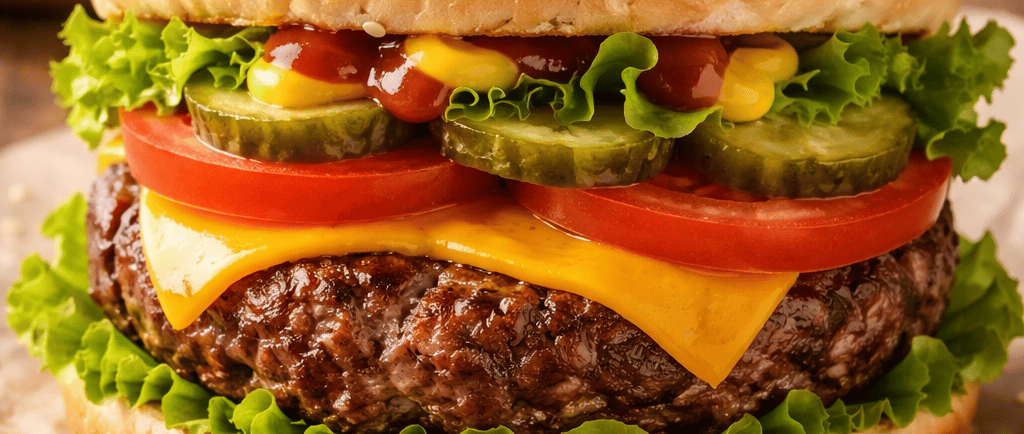
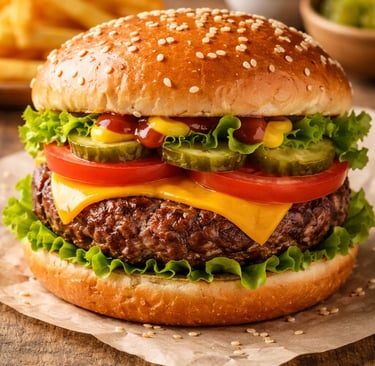
The traditional hamburger is a delightful composition of essential ingredients that come together to create a satisfying meal. At the foundation of every hamburger is the meat patty, commonly made from ground beef, which can vary in fat content and flavor. Options such as turkey, chicken, or plant-based patties are increasingly popular, catering to diverse dietary preferences. The choice of meat significantly influences the taste and overall experience, making quality an imperative consideration.
Buns serve as the vessel for the hamburger, and selecting the right bun is crucial. Classic choices include sesame seed buns, brioche, or whole grain varieties, each contributing its texture and flavor profile. A fresh bun, ideally lightly toasted, enhances the overall burger experience by providing added crunch and holding together all the elements without becoming soggy.
Toppings play a pivotal role in defining the character of a hamburger. Traditional toppings like lettuce, tomato slices, onions, and pickles add freshness and texture, balancing the richness of the meat. Additionally, special toppings such as avocado, bacon, or cheese allow for customization of flavors and creativity in presentation.
Condiments serve to elevate the hamburger further. Ketchup and mustard are stalwarts in the condiment world, often paired for their contrasting sweetness and tang. Mayonnaise and specialty sauces, such as barbecue or aioli, offer additional dimensions of flavor that complement the meat and toppings. The careful selection and quality of these ingredients are paramount, as they not only enhance flavor but also affect the overall texture of the hamburger.
When crafting the perfect hamburger, attention to detail in choosing the essential ingredients and condiments will result in a superior dining experience. Each component works synergistically to deliver a balance of tastes and textures, celebrating the rich tradition of this iconic dish.