
The Classic Tuna Melt: History and Variations
2/11/20265 min read
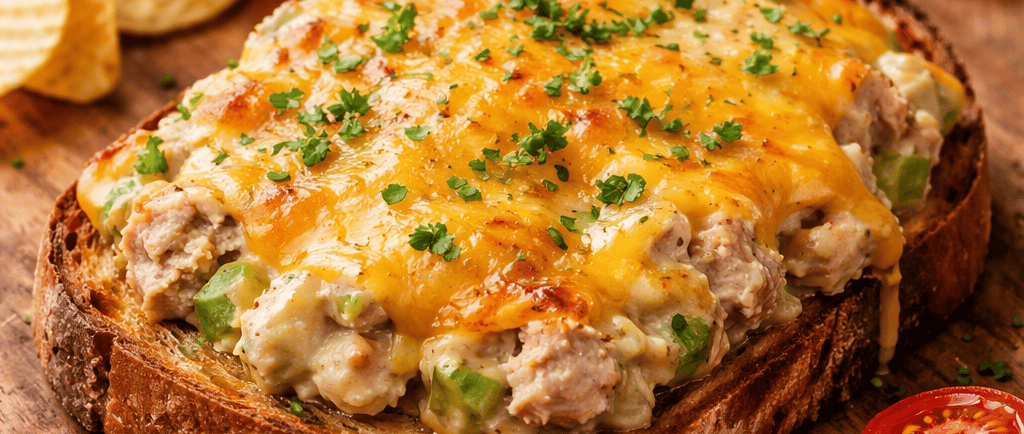

Tuna Melt History And Origins
The origin of the tuna melt sandwich can be traced back to the early 20th century in the United States, a period marked by significant changes in food production and consumption. One of the critical factors contributing to the emergence of this popular dish was the widespread availability of canned tuna. Introduced in the 1900s, canned tuna quickly became an inexpensive and staple food in American households. With its convenience and long shelf life, it was perfect for households, especially during the Great Depression and World War II when resources were scarce.
As America transitioned into the post-war era, there was a noticeable shift in culinary trends. The rise of diners and casual eateries coincided with this transition, providing a platform for comfort foods to flourish. The tuna melt, a simple yet satisfying combination of tuna salad and melted cheese, epitomized the diner culture that was blossoming across the country. It became a go-to option for patrons seeking hearty, affordable meals that could be enjoyed on the go while still providing a sense of homely satisfaction.
The socio-economic landscape of the time played a pivotal role in the evolution of the tuna melt. With an increasing number of families relying on canned goods for meal preparation, dishes that utilized staple ingredients became popular. The tuna melt not only fit this mold but also resonated with the American public due to its nostalgic quality. As a result, the tuna melt firmly established itself as a symbol of comfort food—something that could be easily prepared and savored, regardless of economic conditions.
During the latter half of the 20th century, the tuna melt became deeply entrenched in American gastronomy, especially within the diner culture. Its reputation as a comforting meal continues to hold strong today, evolving into numerous variations while maintaining its core identity. This enduring popularity showcases the tuna melt's unique ability to adapt and remain relevant in a rapidly changing culinary landscape.
Ingredients of a Tuna Melt
The classic tuna melt is a timeless sandwich that combines simple ingredients to create a delicious meal. At its core, the essential ingredients of a tuna melt include canned tuna, mayonnaise, cheese, and bread. Each ingredient plays a crucial role in building the flavor and texture of this beloved dish.
Canned tuna is typically the star of the sandwich. While any tuna will do, opting for high-quality, sustainably sourced tuna can significantly elevate your tuna melt. The type of tuna you choose—be it chunk light or solid white albacore—can influence the overall flavor and texture. Mixed with mayonnaise, the tuna becomes creamy and easy to spread.
Mayonnaise adds moisture and richness, binding the fish together. Some variations include using Greek yogurt or avocado as a healthier substitute. When it comes to cheese, a classic tuna melt typically features American or cheddar cheese, which melts beautifully. However, you can experiment with other cheese options, such as Swiss or Gouda, to create your preferred taste profile.
The choice of bread is equally important. Sourdough, rye, or classic white bread each offer their unique tastes and textures. Sourdough, for instance, provides a tangy flavor that complements the other ingredients, while rye offers a hearty robustness. To enhance the crunch factor, consider grilling the sandwich in butter or olive oil until golden brown.
Lastly, high-quality ingredients can profoundly impact the overall taste of the tuna melt. Fresh, flavorful mayonnaise and artisanal bread will yield a more satisfying sandwich. When preparing a tuna melt at home, take time to choose each component carefully, thereby ensuring you maximize flavor and satisfaction in every bite.
Variations : Open-Faced and Stove Top
The classic tuna melt is a beloved dish, celebrated for its simplicity and delightful blend of flavors. However, culinary innovation has led to various adaptations, notably the open-faced tuna melt and the stove top tuna melt. Each variation brings a unique twist to the traditional recipe, catering to diverse palates and cooking preferences.
The open-faced tuna melt is a creative take on the original sandwich. In this preparation, the bread is laid flat and isn't completely covered, allowing melted cheese and tuna to be artistically displayed. Typically, a slice of hearty sourdough or rustic bread serves as the base. The tuna salad is prepared in the traditional manner, often mixed with mayonnaise, celery, and spices, then topped generously with cheese. After assembly, it is placed under a broiler until the cheese is bubbly and golden. The open design offers a delightful texture contrast between the crunchy bread and the creamy tuna, providing an attractive presentation that is perfect for casual dining or entertaining.
On the other hand, the stove top tuna melt is perfect for those desiring a quicker and easier method. Rather than grilling or baking, this variation is made on the stove, allowing for real-time melting of cheese as the sandwich cooks. The process involves layering the tuna salad and cheese between two slices of bread in a heated skillet. Covering the skillet with a lid speeds up the melting process while ensuring that the bread achieves a crisp golden texture. This method may yield a slightly different flavor experience and is ideal for a fast meal or a late-night snack.
Both open-faced and stove top versions of the tuna melt allow for creativity in the kitchen. Experimenting with different types of cheeses, adding fresh herbs, or introducing vegetables can greatly enhance the taste and appeal. Ultimately, these variations celebrate the timeless tuna melt while inviting a fresh perspective on a traditional classic.
Regional Differences of the Tuna Melt
The tuna melt, a staple in American cuisine, has undergone numerous adaptations across various regions, each showcasing unique ingredients and flavors. In the Southern United States, for instance, the classic tuna melt often incorporates a distinct kick from spices such as cayenne pepper or hot sauce. This spicy twist adds an extra layer of flavor that aligns perfectly with the region's penchant for zesty food. Additionally, some Southern recipes may include sweet ingredients like pickles or relish, which provide an interesting contrast to the savory tuna.
Moving towards the Midwest, cheese plays a central role in shaping the tuna melt. While traditional recipes typically call for cheddar or American cheese, many Midwestern variations feature local cheeses such as colby jack or pepper jack. This incorporation of regional dairy contributes to a creamier texture and richer taste, highlighting the Midwest's agricultural heritage. It is not uncommon for these variations also to include additional toppings like sliced tomatoes or onions, enhancing both the aesthetic appeal and flavor profile of the sandwich.
Globally, the concept of a "tuna melt" inspires a variety of interpretations. In Mediterranean countries, tuna melts may take the form of a panini, infused with ingredients like olives or capers that reflect local tastes. Similarly, in Japan, the tuna melt may be reimagined using wasabi-infused mayonnaise or featuring sushi-inspired ingredients, demonstrating the versatility of tuna as a focal ingredient. These global adaptations highlight how the fundamental concept of a tuna melt has transcended borders, allowing culinary enthusiasts worldwide to innovate and celebrate this beloved dish.