
The Classic Steak Sandwich: Origins & Variations
2/26/20265 min read
The Origins of the Steak Sandwich: A Culinary Heritage
The steak sandwich is a beloved culinary creation with roots that can be traced back to the heart of Europe. While the exact origins remain somewhat murky, many historians suggest that its inception occurred in the late 19th century, primarily in England and France. Street vendors began selling beef served between slices of bread, capitalizing on the growing demand for convenient, hearty meals suited for the bustling urban population.
The concept of the steak sandwich likely gained momentum due to the influence of the working-class diets, which favored substantial meals that could be consumed on the go. This adaptation of traditional steak, which required significant time and effort for preparation, became a staple for laborers seeking nourishment during their limited breaks. The use of fresh, local ingredients further contributed to the appeal of this dish, as it became an embodiment of rustic European cooking.
As this sandwich began to traverse the Atlantic, its popularity surged in the United States during the 20th century. Events such as the industrial revolution and the migration of various immigrant populations played a significant role in popularizing the steak sandwich across the America landscape. Places like Philadelphia claim to be the birthplace of what we now recognize as the classic steak sandwich, where local innovations, such as the inclusion of cheese and additional toppings, became synonymous with the city’s street food culture.
Notable cultural figures also contributed to the legend of the steak sandwich. For instance, renowned food adventurers and journalists helped to elevate the sandwich to a culinary icon, celebrating it within gourmet circles while also preserving its humble street food essence. Ultimately, the steak sandwich has evolved over decades, reflecting both its European roots and its subsequent adaptation into American food culture.
Ingredients: What Makes a Steak Sandwich
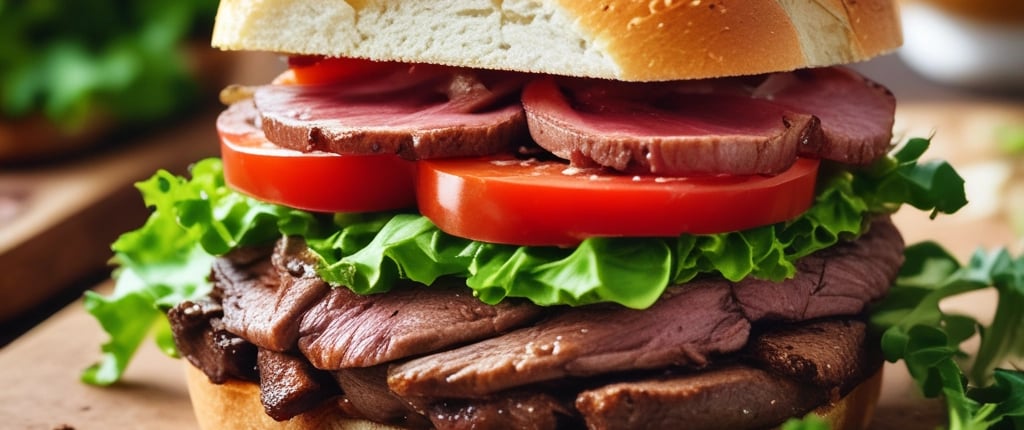
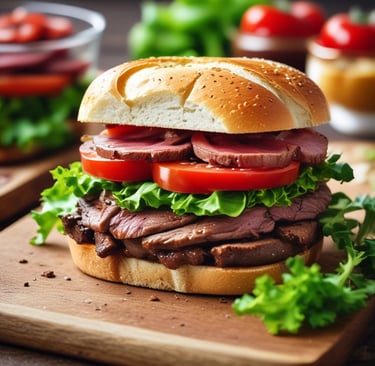
The essence of a classic steak sandwich lies in its fundamental ingredients, which create a perfect harmony of flavors and textures. At the core of a traditional steak sandwich is the choice of bread. Various types of bread can serve as the foundation for this beloved dish. Common choices include crusty baguettes, soft rolls, or hearty ciabatta, each lending a unique character to the sandwich. The bread must be robust enough to hold the juicy steak while also complementing its savory taste.
Moving on to the centerpiece of the sandwich, the steak itself is typically grilled or pan-seared to deliver a rich flavor. Cuts such as ribeye, sirloin, or flank steak are often preferred due to their tenderness and depth of flavor. The cooking method can also vary; some prefer a simple seasoning of salt and pepper, while others opt for marinades or dry rubs to enhance the meat's profile.
The role of condiments cannot be overstated in achieving the ideal steak sandwich. Traditional options include mayonnaise, mustard, or aioli for creaminess, while barbecue sauce and chimichurri can add zest and depth. Toppings like sautéed onions, grilled bell peppers, or even mushrooms contribute to the overall experience, introducing additional flavors and textures that elevate the dish.
Furthermore, various regions worldwide have their unique interpretations of the steak sandwich, incorporating local ingredients and spices that reflect their culinary heritage. For instance, a Philly cheesesteak showcases melted cheese and fried onions, while a South American version may feature chimichurri alongside fresh vegetables.
In conclusion, the perfect steak sandwich is a beautiful blend of high-quality meat, carefully chosen bread, and flavorful condiments and toppings. Each ingredient plays a vital role in crafting a memorable and enjoyable dish that celebrates the rich tradition behind this classic culinary creation.
Regional Variations of the Steak Sandwich
The steak sandwich has garnered immense popularity worldwide, leading to various regional adaptations, each with its distinctive flair and character. These variations reflect local tastes, ingredients, and culinary traditions, ensuring that while the core concept remains intact, the execution and experience can differ remarkably.
In the United States, the Philly cheesesteak is arguably the most iconic variation. Originating from Philadelphia, Pennsylvania, this sandwich typically features thinly sliced, grilled ribeye or top round steak, topped with cheese—most commonly provolone or Cheez Whiz. Served in a long hoagie roll, the cheese melts into the warm beef, creating a savory blend that is both hearty and satisfying. The addition of sautéed onions and peppers is also common, showcasing the versatility of ingredients that can complement the main element.
Another well-known style is the French dip, which hails from the West Coast. This sandwich consists of thin slices of roast beef served in a French baguette, with a unique twist: diners dip the sandwich into a flavorful beef broth or au jus before each bite, enhancing the taste and texture. The dipping process is not only a culinary innovation but has also become a cultural experience, altering how people enjoy their sandwiches.
In Chicago, the Italian beef sandwich represents yet another variation, featuring seasoned, slow-roasted beef sliced thin, served in a crusty bread roll. Often accompanied by sweet and hot peppers, this sandwich is notable for being dipped in the savory juices, similar to the French dip. The Italian beef has established itself as a staple in Chicago’s culinary scene, embodying the city’s rich immigrant heritage and showcasing how the steak sandwich can evolve based on local influences.
These examples illustrate just a few of the many interpretations of the classic steak sandwich. Each regional variant contributes to the sandwich's legacy, allowing it to adapt and thrive in diverse culinary landscapes around the world.
Options for the Perfect Steak Sandwich
When it comes to crafting the ideal steak sandwich, selecting the right cut of beef is crucial as it significantly influences the flavor, texture, and overall enjoyment of the dish. Several popular cuts lend themselves particularly well to sandwich-making, each offering unique characteristics that can elevate the experience.
One of the most favored cuts for steak sandwiches is the ribeye. Known for its marbling and rich flavor, ribeye is tender and juicy, making it an excellent choice for those who appreciate a full-bodied taste in their sandwich. When preparing ribeye, consider seasoning it with a simple mixture of salt and pepper, allowing the meat's natural flavors to shine through. Grilling or searing it to a medium-rare doneness enhances its texture and juiciness, which complements various toppings and sauces typically used in steak sandwiches.
Another great option is sirloin, which is leaner than ribeye yet still packed with flavor. It is less fatty, which may appeal to those seeking a healthier alternative. Sirloin steaks can be grilled or broiled, and achieving the right level of doneness—medium-rare or medium—will ensure a tender bite. Marinating sirloin prior to cooking can further enhance its flavors; simple marinades with garlic, herbs, and acidic components like lemon juice can significantly boost its taste.
Flank steak is also a popular choice, known for its intense beefy flavor and a slightly chewy texture. It is important to slice flank steak against the grain to maximize tenderness. A marinade can also add depth to this cut, making it suitable for all styles of steak sandwiches.
Ultimately, the best cut for a steak sandwich depends on personal preference and desired characteristics in the final product. Evaluating fat content, flavor profile, and cooking method can guide you in choosing the ideal beef cut for your perfect steak sandwich.