
Pan Bagnat Sandwich: History and Origins
2/13/20264 min read
The Culinary Origin of Pan Bagnat Sandwich:
Pan Bagnat, a traditional sandwich hailing from Nice, France, is steeped in rich history and cultural significance. This culinary delight is believed to have originated in the warm Mediterranean region, where both land and sea contributed to the ingredients utilized in its creation. The name "Pan Bagnat" translates to "wet bread," which aptly describes the sandwich’s essential characteristic: its moist and flavorful composition, achieved by soaking the bread in olive oil, vinegar, and the natural juices of the fillings.
Dating back to the 19th century, Pan Bagnat emerged as a staple of Provençal cuisine, deeply intertwined with the Mediterranean diet. The sandwich typically features a base of crusty bread filled with a mixture of ingredients like tuna, hard-boiled eggs, olives, tomatoes, and seasonal vegetables. This vibrant combination is not only a testament to the region's agricultural richness but also reflects the influences of local fishermen who would prepare the dish using their fresh catches, thereby intertwining culinary practices with the rhythm of daily life.
Furthermore, the handiwork and resourcefulness of local artisans played a vital role in the evolution of Pan Bagnat. Fishermen would often prepare these sandwiches to sustain themselves during long days at sea, utilizing whatever fresh produce was available to create a nutritious, portable meal. This combination of practicality and creativity showcases how Pan Bagnat represents a communal tradition, as families and friends gather to share and enjoy this iconic dish.
The interplay of local ingredients, historical influences, and communal sharing imbues Pan Bagnat with a unique cultural context that continues to resonate today. With its roots firmly planted in the Mediterranean landscape, it stands as a flavorful monument to the heritage of Provençal cuisine, symbolizing the simple yet profound joy of meals shared among loved ones.
Ingredients of Pan Bagnat Sandwich
At the heart of the classic Pan Bagnat lies a collection of essential ingredients that work harmoniously to create a sandwich rich in flavor and history. The foundational component is the round bread, traditionally a rustic baguette or a ciabatta, which serves as the vessel for the various fillings. This bread should ideally be crusty on the outside while remaining soft and airy on the inside, allowing it to absorb the flavors of the fillings without becoming soggy.
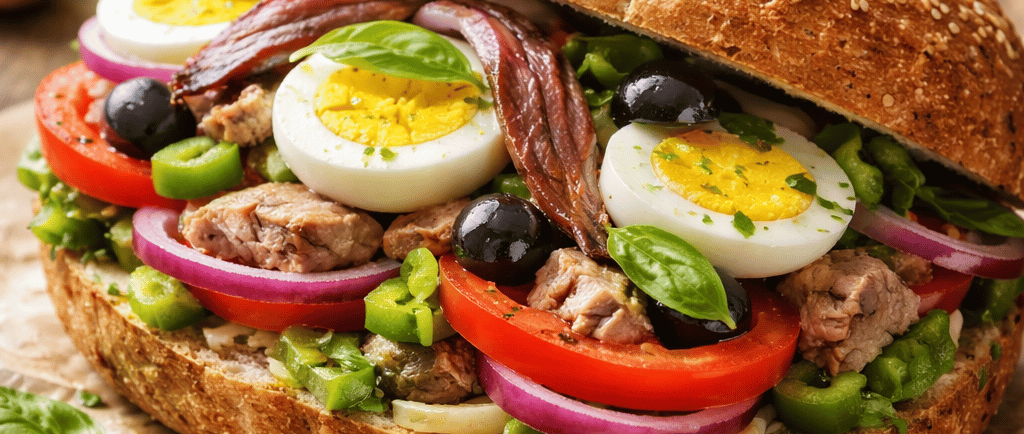
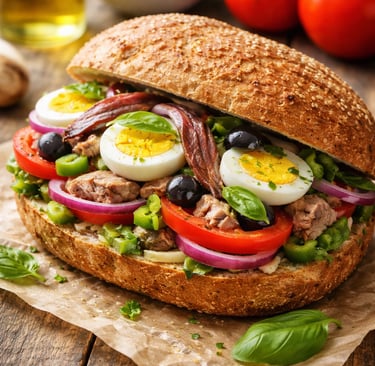
Central to the flavor profile of Pan Bagnat is tuna, typically canned in olive oil. The quality of the tuna is paramount; using sustainably sourced, high-quality tuna greatly enhances the taste of the sandwich, offering a distinct umami flavor. Additionally, fresh vegetables such as tomatoes, lettuce, and bell peppers add brightness and crunch, providing a refreshing counterbalance to the richness of the tuna.
Another vital ingredient is the hard-boiled egg, which not only contributes to the nutritional value but also adds a creamy texture to the overall composition. This layer of flavor is further enriched by ripe olives, often black or green, imparting a salty and briny note that complements the other ingredients beautifully. Lastly, a generous drizzle of high-quality olive oil acts as a unifying agent, ensuring that all the flavors meld together while enhancing the moistness of the sandwich.
While these components are integral to the traditional interpretation of Pan Bagnat, variations do exist. Seasonal changes can inspire the inclusion of ingredients such as artichokes in spring or roasted red peppers in summer, highlighting the adaptability of this beloved dish. Personal preferences also manifest through the choice of vegetables or the type of fish used, allowing chefs and home cooks alike to make the Pan Bagnat their own.
Regional Variations and Modern Twists on Pan Bagnat
Pan Bagnat, hailing from the sun-kissed shores of Nice, France, has inspired a variety of regional adaptations that reflect the rich tapestry of Mediterranean cultures. The sandwich's core ingredients—bread, tuna, vegetables, and olive oil—are consistently embraced; however, local traditions have led to intriguing variations. For instance, in the Italian region of Liguria, its neighbor to the east, the classic sandwich often incorporates focaccia bread and can include fresh basil and artichokes, showcasing the local abundance of these ingredients. This adaptation not only highlights the similarities between the two cuisines but also celebrates their unique characteristics.
In Spain, the Pan Bagnat inspired dish called "bocadillo" may employ different types of fresh fish, such as anchovies or sardines, and might feature traditional condiments like romesco sauce, emphasizing the local seafood and flavor profiles. Meanwhile, in the Greek islands, variations may embrace local herbs, olives, and even feta cheese, transforming the sandwich into a delightful representation of the Hellenic culinary landscape. These regional adaptations underscore the evolution of Pan Bagnat beyond its origins and demonstrate how simplicity in ingredients can result in diverse culinary expressions.
Modern culinary trends also play a significant role in redefining the Pan Bagnat experience. Creative chefs and home cooks alike are experimenting with gluten-free breads or introducing grilled vegetables as a substitute for traditional fillings, catering to contemporary dietary preferences. Moreover, the sandwich has begun to appear in gourmet establishments, served on artisanal bread with house-made aioli or infused olive oils, drawing a new audience to this classic dish. Through these innovations and regional adaptations, Pan Bagnat continues to thrive as a versatile and cherished item on menus across the Mediterranean and beyond.
The Cultural Legacy of The Pan Bagnat Sandwich
Pan Bagnat represents more than just a simple sandwich; it serves as a culinary emblem deeply rooted in the rich cultural heritage of the Provence region in France. Traditionally prepared as a hearty meal for fishermen, this flavorful dish has transcended its humble origins to become a symbol of Provençal identity and pride. The use of locally sourced, fresh ingredients showcases not only the unique flavors of the region but also the strong ties that the community has with its agricultural landscape.
The rise of Pan Bagnat in contemporary gastronomic discourse highlights its popularity beyond regional borders. This sandwich is now celebrated at various culinary festivals and food events throughout France and beyond, allowing it to gain recognition on an international scale. Chefs and food enthusiasts alike are now embracing the authenticity of Pan Bagnat, often experimenting with traditional fillings or showcasing it in gourmet restaurants as an homage to its rustic roots.
Moreover, Pan Bagnat reflects a growing trend toward healthier eating, aligning with the Mediterranean diet renowned for its health benefits. The incorporation of fresh vegetables, quality olive oil, and protein-rich tuna in the sandwich promotes a balanced and nutritious meal. As individuals worldwide seek out wholesome food options, Pan Bagnat stands out as a delicious representation of a healthy lifestyle rooted in centuries-old culinary traditions.
In conclusion, the cultural legacy of Pan Bagnat extends far beyond its sensory appeal. It plays a crucial role in promoting Provençal identity, celebrating local ingredients, and advocating for healthier eating practices. This timeless delight continues to resonate with both current and future generations, ensuring its place in the hearts and kitchens of many.