
History of The Uruguay National Sandwich Chivito
3/3/20264 min read

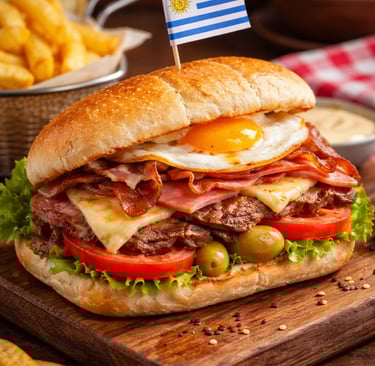
The Origins of the Chivito Sandwich
The Chivito sandwich, an emblematic dish of Uruguayan cuisine, originated in the mid-20th century. It is said to have been created in 1946 by a man named Antonio Carbonaro. Operating a small eatery in the resort town of Punta del Este, Carbonaro was inspired by the flavors of both traditional Uruguayan fare and Italian cuisine. The sandwich quickly became popular among locals and tourists alike, marking the beginning of its journey to becoming a national staple.
Initially, the Chivito contained only thinly sliced beef, but over the years, the ingredients underwent significant evolution. The introduction of toppings such as mozzarella cheese, ham, olives, tomatoes, and mayonnaise created a richer, more complex flavor profile. Local influence also played a crucial role in this transformation, as various culinary traditions in Uruguay fused to give rise to this beloved dish. The incorporation of these diverse ingredients reflects Uruguay's unique cultural mosaic, which has been shaped by waves of European immigration.
By the 1960s, the Chivito sandwich had secured its place in the hearts of Uruguayans and began to appear in numerous cafés and restaurants throughout the country. One such establishment, "El Chivito" in Montevideo, opened its doors in 1950 and became a celebrated venue that showcased the dish's regional significance. Its growing popularity led to variations, not only within Uruguay but also in neighbouring countries, where the Chivito was adapted to local tastes.
Today, the Chivito sandwich stands as more than just a meal; it represents the spirit and culinary heritage of Uruguay. Its origins serve as a reminder of the creativity and cultural exchanges that contribute to the rich tapestry of the nation’s culinary identity.
Essential Ingredients of the Chivito Sandwich
The Chivito, a staple of Uruguayan cuisine, is celebrated for its rich and diverse combination of ingredients that come together to create an unforgettable culinary experience. At the heart of this classic sandwich is the quality of the beef, which is typically grilled to perfection, yielding a juicy and flavorful meat base. The beef is often a filet mignon or other premium cuts, ensuring each bite is tender and satisfying.
As we explore the various components that define the Chivito, the presence of cheese is noteworthy. Traditionally, the sandwich is layered with melted mozzarella or cheese, adding a creamy texture that complements the savory beef. This plant-based protein acts as a binding agent that enhances the overall flavor profile.
Another key ingredient is crispy bacon, which not only introduces a delightful crunch but also contributes a smoky richness that elevates the taste of the sandwich. The interplay between the tender beef and crispy bacon creates textural diversity that captures the attention of the palate.
Furthermore, fresh vegetables play an essential role in the Chivito's composition. Leafy greens like lettuce and slices of ripe tomatoes add freshness, color, and a hint of acidity, providing a balance against the heavier ingredients. These vegetables are not merely garnishes; they enhance the overall flavor and contribute to the sandwich's nutritional value.
To complete the Chivito experience, the sandwich is typically served in a soft white bun that cradles all these ingredients together. The bread serves as the canvas upon which the flavours build, softening the additional ingredients and making the sandwich easy to hold and enjoy.
When these essential ingredients come together, the result is a harmonious blend of flavours, textures, and aromas that define the traditional Chivito sandwich. This combination marks it as a culinary icon of Uruguay, embodying the country’s rich gastronomic heritage.
Regional Variations On The Chivito Sandwich
The Chivito, Uruguay's beloved sandwich, exhibits remarkable regional diversity, reflecting the local tastes and culinary traditions found across the nation. While the traditional Chivito is characterized by its succulent beef, ham, and cheese, various regions have embraced creativity, leading to unique spins on this classic dish. For instance, the coastal areas may incorporate fresh seafood into their Chivito offerings, utilizing locally caught fish as a hearty substitute for beef. This twist not only enhances flavor but also aligns with the coastal lifestyle, where seafood is a staple.
Moreover, many establishments have introduced rich toppings that cater to diverse palates. One popular variation includes the addition of fried eggs, which add a creamy texture and enhance the indulgence of the sandwich. This simple yet impactful change transforms the Chivito into an even heartier meal, making it a favourite among locals and tourists alike.
Another common regional adaptation is the incorporation of avocado, providing a fresh and creamy layer that complements the traditional ingredients. Moreover, variations in sauces can significantly influence the overall profile of the sandwich. Restaurants may experiment with spicy salsas, flavorful chimichurri, or tangy barbecue sauces, contributing to the distinctive character of their Chivito.
In the bustling gastronomic scene of Montevideo, for instance, gourmet bistros have attempted to refine the classic recipe, presenting Chivitos on artisan buns or incorporating organic and locally sourced ingredients. The innovative spins on the Chivito not only reflect the evolving Uruguayan culinary landscape but also serve to highlight the versatility of this cherished sandwich.
As the Chivito continues to evolve, it remains deeply rooted in Uruguayan culture, a symbol of comfort and shared tradition, enjoyed in various forms across the country.
The Chivito Sandwich in Uruguayan Culture
The Chivito is more than just a sandwich; it has become an integral part of Uruguayan identity and culture. As a beloved comfort food, the Chivito is often associated with feelings of warmth and nostalgia, serving as a reminder of family gatherings and shared experiences. Its rich flavors and hearty ingredients make it a staple during social events, contributing to its popularity across various demographics in Uruguay.
During celebrations, birthdays, or casual get togethers, the presence of Chivitos on the menu is almost guaranteed. The sandwich has found its way into barbecues, picnics, and even late-night snacks, embodying a sense of togetherness and enjoyment. This versatile dish appeals not only to locals but has also attracted international tourists, who seek to experience authentic Uruguayan cuisine. In many cases, tourists report that tasting a Chivito is essential to their culinary exploration of the country.
The evolution of the Chivito mirrors broader trends in culinary traditions across the globe. As food culture continues to adapt and change, so does the Chivito, accommodating various tastes while preserving its traditional essence. Variations have emerged, offering options that cater to different dietary preferences, such as vegetarian or gluten-free Chivitos. This adaptability ensures that the sandwich remains relevant and appealing amid changing gastronomic landscapes.
As Uruguayan culture continues to develop, the Chivito's role as a symbol of national pride and culinary heritage becomes increasingly significant. It serves as a representation of Uruguay's rich agricultural resources, celebrating local ingredients and traditional preparation methods. The Chivito, therefore, stands as a testament to the endurance of Uruguayan culinary customs, bonding people through shared meals and culturally significant experiences.