
History of the Milanesa Sandwich from Argentina
3/22/20264 min read
Historical Roots of the Milanesa Sandwich
The origins of the Milanese, or Milanesa sandwich can be traced back to Italy, most notably through its renowned dish, Cotoletta alla Milanese. This traditional Italian preparation features a breaded veal cutlet, which is fried to a golden brown. The dish embodies Italian culinary techniques, where simplicity meets quality ingredients, creating a flavorful experience. In the late 19th and early 20th centuries, Italian immigrants brought this beloved recipe to Argentina, significantly influencing the culinary landscape of the region.
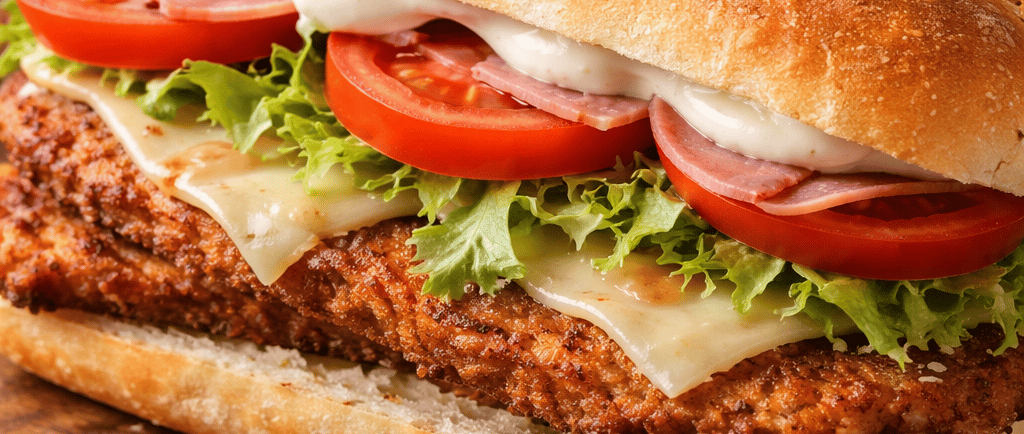
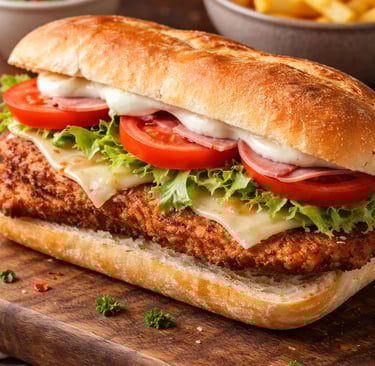
Upon arrival in Argentina, the Cotoletta underwent several adaptations, aligning with local tastes and available ingredients. The immigrants quickly embraced local meats, particularly Argentina's renowned beef, which gave rise to what is now known as the Milanese sandwich. This transitional journey from Italian kitchens to Argentine diners transformed the dish into a staple of Argentine cuisine. The Milanesa sandwich is typically composed of breaded meat, which is often served within a crusty roll and topped with various accompaniments that vary across the country.
Furthermore, the impact of Italian immigration on Argentine culture cannot be overstated. With a significant portion of Argentina's population claiming Italian ancestry, the culinary contributions have played a vital role in shaping local gastronomy. The Milanesa sandwich, in all its variations, reflects the melding of Italian tradition with Argentine flavor profiles, becoming a universal favorite across the nation. As it continues to evolve over time, it remains a symbol of cultural exchange and is lovingly savored by both locals and visitors alike, cementing its status as a quintessential dish in Argentina’s rich culinary tapestry.
The classic Argentine Milanesa sandwich is a beloved culinary favorite that relies on a few key ingredients and a careful preparation method to achieve its distinctive flavor and texture. The foundation of the Milanese sandwich is typically either beef or chicken, with the meat selected for its quality and freshness being paramount. Generally, the cut of meat is pounded to a uniform thickness, which not only allows for even cooking but also enhances tenderness.
Once the meat is prepared, it is seasoned with salt and pepper, though additional spices such as garlic powder or fresh herbs can also be used to elevate the flavor profile. After seasoning, the next step involves breading the meat, which is essential for achieving the characteristic crispy texture that defines the Milanesa. Traditionally, the seasoned meat is first dipped in a beaten egg mixture, followed by a thorough coating of breadcrumbs. This double dip ensures a robust crust that holds its shape during frying.
The frying process is crucial and is typically carried out in a generous amount of oil to achieve even cooking and golden-brown results. Utilizing a mixture of vegetable oil and olive oil can add depth to the flavor while maintaining the appropriate frying temperature. Once cooked, the excess oil should be drained before assembling the sandwich.
The bread for the sandwich is equally important, with a crusty roll or a soft baguette being common choices. Condiments such as mayonnaise, mustard, or a slice of cheese may be added, but it is the homemade touch that truly sets the sandwich apart. Choosing fresh and high-quality ingredients not only enhances the flavor but also honors the authentic culinary roots of this quintessential Argentine dish, making each bite a delicious experience.
Variations of the Milanesa Sandwich
The classic Argentine milanesa sandwich has evolved remarkably, leading to a variety of regional adaptations that reflect local tastes and preferences. While the fundamental ingredient remains the thinly pounded meat, typically beef, the accompanying elements and preparations differ significantly, making each version unique.
In several regions of Argentina, variations may include different types of cheeses, such as provolone or queso fresco, adding a creamy texture that enhances the overall flavor. Some people prefer to incorporate a mixture of cheeses to achieve a richer profile. Vegetables also play a critical role in these adaptations; common additions include fresh lettuce and ripe tomatoes, which provide a satisfying crunch and balance to the savoriness of the fried meat.
Notably, sauces are another area of variation that countless families and local eateries have personalized. While traditional mayonnaise remains a favorite, many opt for chimichurri—a fragrant herb sauce that adds a zingy depth and elevates the dish's taste experience. Other enthusiasts might incorporate hot sauce or a tangy mustard to give the sandwich an extra kick.
Some families craft their versions by experimenting with different bread, ranging from classic white rolls to whole grain or even ciabatta, which can provide a unique texture and flavor. Street vendors across the country may showcase their own special dips or add unexpected toppings, potentially integrating items such as pickled vegetables or avocados.
Ultimately, the diversity of the milanese sandwich in Argentina exemplifies how cultural influences and personal creativity converge in culinary traditions, making this dish not only a staple but also a canvas for endless variations.
Popularity Of The Milanesa Sandwich in Argentina
The Milanese sandwich, or "sándwich de milanesa," holds a cherished place in Argentine culture, reflecting the confluence of Italian culinary influence and local traditions. This sandwich, typically composed of a breaded and fried meat cutlet served in a crusty bread roll, has transcended its origins to become a staple in the diet of many Argentines.
Everyday life in Argentina frequently features the milanese sandwich, whether as a quick meal for workers or as a beloved item found in street food markets throughout the country. Its accessibility and affordability make it an integral part of many Argentines' lives, showcasing its role in feeding families and individuals alike. Moreover, the milanese sandwich has become synonymous with social gatherings; it is often served at family reunions, birthday parties, and other celebrations, reinforcing bonds among those who share these experiences.
Cooks and families often have their personal twists on the classic dish, incorporating ingredients such as ham, cheese, or a variety of sauces. This flexibility not only highlights the culinary creativity within Argentine households but also demonstrates how the milanesa sandwich can adapt to diverse tastes and preferences. Personal anecdotes from locals show an emotional connection to this dish—many recall childhood memories of enjoying homemade sandwiches made with love, a testament to its status as comfort food.
Through their rich stories and shared recipes, individuals emphasize how the milanese sandwich serves as a bridge between generations, fostering a sense of nostalgia and community. This iconic dish stands not just as a meal but as a symbol of Argentina's evolving identity, reflecting customs, history, and the harmonious blending of cultures that define the nation today.