
History of the Argentinian Bondipan Sandwich
4/3/20265 min read
The Cultural Impact of Bondipan in Argentina
The Bondipan sandwich holds a notable position within Argentina's culinary diversity, symbolizing the nation's rich tapestry of cultural influences. Throughout the years, Bondipan has emerged as an iconic street food staple, particularly in urban regions such as Buenos Aires, where the hustle and bustle of city life has fostered a dynamic food scene. The origins of the Bondipan can be traced back to the melding of various culinary traditions, reflecting the historical immigration patterns that have shaped Argentina’s gastronomic landscape.
As Argentina opened its doors to immigrants from Italy, Spain, and several indigenous populations, many traditional recipes converged to create the beloved street food culture we see today. The Bondipan takes inspiration from Italian focaccia, Spanish empanadas, and local indigenous ingredients, which showcases a fusion of flavors and techniques. This amalgamation of influences is more than just a culinary experience; it represents the social fabric of Argentine society, where various cultural elements coexist and are celebrated.
Factors such as economic shifts and urbanization also played critical roles in popularizing Bondipan. As working-class populations in cities grew, there was a significant demand for affordable, quick, and nutritious meals. Bondipan’s accessibility and flavor made it an attractive option for many, enabling it to become a common choice for those with limited time yet a desire for satisfying food. Additionally, the rise of street vendors and food trucks in Buenos Aires has further solidified the popularity of Bondipan, making it a go-to snack for locals and tourists alike.
This street food delicacy is not only a culinary delight but also serves as a representation of Argentine identity. Through its unique blend of ingredients and influences, Bondipan encapsulates the essence of cultural integration and adaptation, showcasing the ways in which food can unite diverse communities.
Ingredients: What's In A Bondipan Sandwich?
The Bondipan sandwich represents a delightful aspect of Argentinian street food, characterized by a variety of ingredients that come together to create a flavorful experience. At its base, the Bondipan typically utilizes a specific type of bread known as pan de miga. This soft and light white bread, with its crust removed, forms the perfect foundation for the sandwich, allowing it to absorb the various flavors from the fillings without compromising its structure.
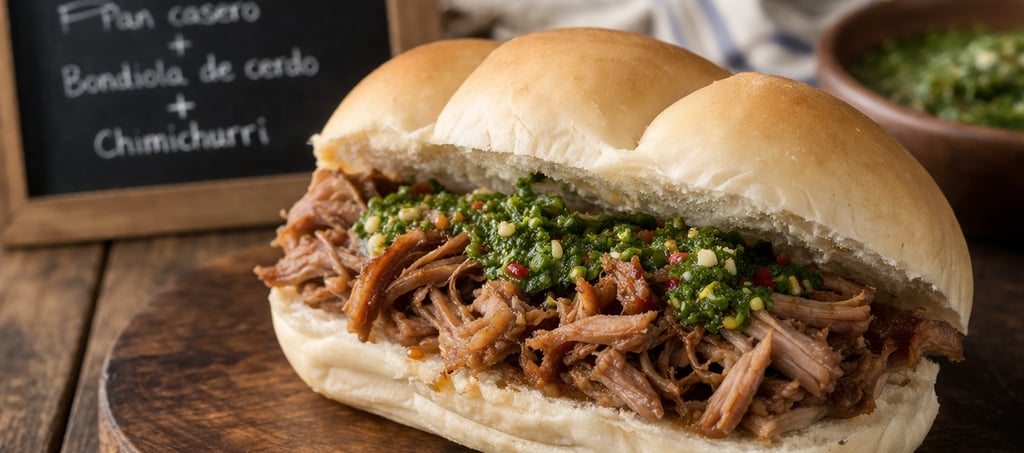
Regarding the fillings, the Bondipan showcases an array of choices that include different meats, cheeses, and vegetables. Commonly used meats include sliced ham, salami, and roast beef, but most common is pork shoulder, each contributing a unique taste and texture. Cheese options also vary, with varieties such as queso fresco or mozzarella being popular due to their mild flavor and creamy consistency. Vegetables add freshness and crunch, with ingredients like lettuce, tomato, and pickles being frequently incorporated into the mix.
To elevate the flavor profile, various condiments are included, such as mayonnaise, mustard, and a hint of chimichurri sauce, which is an Argentinian favorite. The combination of savory and tangy flavors results in a satisfying sandwich that is both wholesome and convenient for street-side enjoyment.
Ingredient sourcing is crucial for the ideal Bondipan sandwich; many vendors pride themselves on using locally sourced components that support regional farmers and suppliers. This commitment to quality and freshness not only enhances the taste but also adds an element of authenticity to the dish. Additionally, regional variations in ingredients can be observed across different provinces in Argentina. For example, certain areas might include spicier meats or unique local cheeses, further enriching the Bondipan’s legacy as a beloved street food staple.
Preparation For Bondipan Sandwiches
The preparation and cooking techniques for creating a delicious Bondipan sandwich are crucial to achieving its signature flavor and texture. This Argentine street food, often made with fresh ingredients, involves a series of simple yet effective steps to maximize its taste. First, the choice of bread is essential; traditional Bondipan is typically made using soft, freshly baked bread rolls. The selection of fillings varies widely, including options like grilled meats, cheese, and a variety of fresh vegetables.
To begin assembling a Bondipan, it is important to start by toasting or grilling the bread. This initial step not only enhances the flavor but also adds a unique crispiness to the sandwich. To grill the bread, simply place it on a preheated grill or skillet until golden brown, ensuring that the inside remains soft. This method is often favored by street vendors, as grilled bread helps to hold the fillings without becoming soggy.
Next, the fillings should be prepared thoughtfully. Meats, such as chorizo or beef, but more commonly pork shoulder ( bondiola ) are seasoned and grilled to perfection. The key is to achieve a balance of flavors, often enhanced by the addition of various sauces and condiments. Popular choices include chimichurri sauce, which provides a tangy and herbaceous kick, or spicy sauces to add heat. Layering the fillings with ample fresh ingredients, like avocado slices or pickled vegetables, not only contributes to the taste but also helps in achieving the desired texture.
For home cooks aiming to replicate the street food experience, using equipment like a panini press or griddle can be advantageous. These tools help attain the perfect crispy exterior while keeping the fillings warm and flavorful. Additionally, experimenting with different combinations of meats and toppings can lead to a personalized version of Bondipan, allowing for creativity and preference to shine through.
Variations of Bondipan: From Traditional to Modern
The Bondipan, a quintessential street food sandwich in Argentina, showcases a remarkable array of variations that reflect both tradition and innovation. This beloved dish, originally rooted in simple recipes, has evolved over the years, incorporating international flavors and diverse ingredients. The classic Bondipan typically features a crusty bread roll filled with savory meats, such as slow-cooked brisket, seasoned sausages, or juicy steaks. This traditional preparation has always been celebrated for its robustness and bold flavors, making it a staple in the Argentine culinary landscape.
As culinary trends continue to shift and evolve, so too does the Bondipan. Modern interpretations have emerged, introducing creative variations that appeal to a wider array of tastes and dietary preferences. One notable trend is the introduction of vegetarian Bondipan, which utilizes grilled vegetables, plant-based proteins, or beans, effectively catering to health-conscious consumers without compromising on flavor. These adaptations not only reflect a growing interest in vegetarian cuisine but also demonstrate the versatility of the Bondipan sandwich.
Furthermore, innovative toppings and sauces have found their way into Bondipan recipes, enhancing the flavor profile and aesthetic appeal of this traditional dish. Ingredients like spicy chimichurri, zesty pickled onions, or even international sauces such as sriracha or aioli have gained popularity, showcasing the influence of global cuisine on local traditions. Additionally, regional specialties emerge as new bonding flavors are infused into this dish, representing the diverse culinary heritage of Argentina.
The evolution of Bondipan underscores how food can adapt to new trends while remaining a cherished staple. As chefs and home cooks alike continue to experiment, this beloved sandwich not only retains its identity but also embraces modern influences, ensuring its relevance in contemporary food culture.