
Origins of Classic Montadito Sandwiches
3/27/20264 min read
The Historical Roots of The Montadito Sandwich
Montaditos, small sandwiches typically featuring a variety of toppings, have become a cherished item in traditional Spanish cuisine, particularly within the vibrant culture of tapas. Their origins trace back to various regions in Spain, reflecting a rich tapestry of historical and cultural influences that have shaped their evolution over time.
Historically, the concept of placing flavorful toppings atop a piece of bread can be seen as far back as the Middle Ages. Spanish society, which has always placed great emphasis on communal dining and shared culinary experiences, gradually embraced this practice. The montadito as we know it began to take form as Spanish chefs explored the inclusion of different ingredients, driven by local availability and seasonal produce. Each region's montaditos tell a unique story of its geography and culture.
The rise of montaditos coincided with the flourishing of tapas culture in Spain during the 19th century. Initially, they served as a means for locals to enjoy their drinks while savoring a small bite, enhancing social gatherings and encouraging conversation. The variety of montaditos quickly expanded to include an extensive array of toppings, from cured meats to seafood, and local cheeses to vegetables. As they spread throughout Spain, each region started to infuse their montaditos with local flavors, thereby contributing to the sandwiches' diversity.
Over the decades, montaditos have not only maintained their relevance in traditional Spanish meals but have also adapted to modern culinary trends. Nowadays, they encompass a blend of classic and contemporary ingredients, reflecting an ongoing dialogue between tradition and innovation. Their integral role in Spanish gastronomy, especially within the tapas scene, speaks to their enduring appeal and adaptability across various dining formats.
Key Ingredients and Preparation Techniques
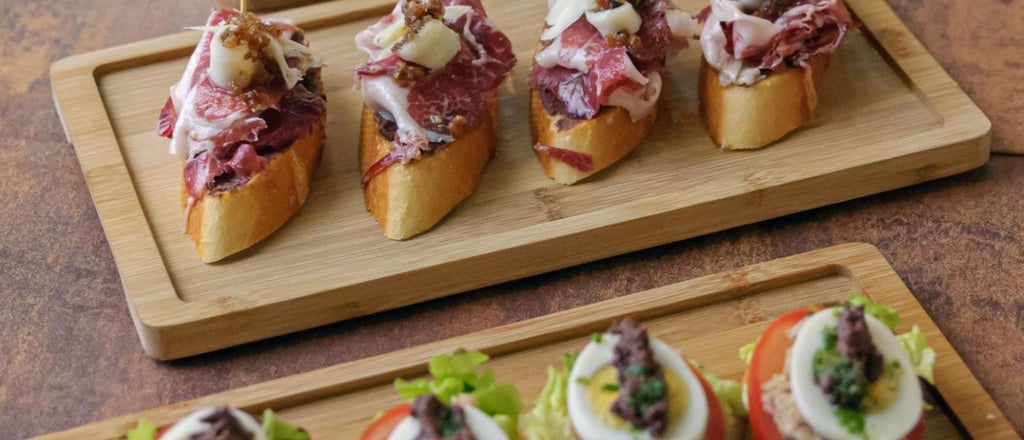
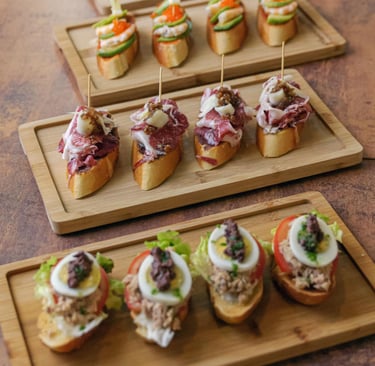
The classic Spanish montadito sandwich is a beloved culinary creation, characterized by its simplicity and rich flavors. At the heart of every montadito lies the bread, which is typically a small piece of crusty baguette or a soft, flavorful roll. The choice of bread plays a crucial role in the overall texture and taste of the sandwich, as it acts as the foundation upon which all other ingredients are layered.
When it comes to fillings, the options are both diverse and delicious. Commonly used are various cured meats such as jamón ibérico, chorizo, and salchichón, which add a savory depth to the montadito. In addition to meats, a range of cheeses, including manchego and queso fresco, enhance the flavor profile, providing creamy and tangy notes. Vegetables also play an important part in the assembly; ingredients like roasted peppers, olives, or fresh tomatoes contribute freshness and a burst of color.
To elevate the flavor of a montadito, special sauces or toppings are often included. A drizzle of extra virgin olive oil or a spread of aioli can add a luxurious touch, while zesty pickles or a sprinkle of paprika may introduce an element of surprise. The careful selection and harmonious combination of these ingredients are essential for achieving an authentic montadito experience.
In terms of preparation, montaditos are typically assembled with an emphasis on presentation. Layers of meat, cheese, and vegetables are strategically placed on the bread, showcasing the vibrant colors of the fillings. It is not uncommon for montaditos to be skewered with a toothpick, allowing for easy handling and a visually appealing presentation. This attention to detail not only enhances the dining experience but also reflects the Spanish tradition of enjoying food as a communal activity.
Variations of Montadito Sandwiches Across Spain
Montaditos, a cherished culinary delight in Spain, present a fascinating array of regional variations that reflect the country’s rich gastronomic diversity. Each province showcases its unique flavors and ingredients, contributing to a tapestry of sandwich styles that intrigue both locals and visitors alike.
In the southern region of Andalucía, montaditos often feature a base of crusty bread topped with olive oil and regional ingredients like chorizo, jamón, or even seafood. The famous montadito de pringá, for instance, is loaded with a savory mixture of meats, ideal for those looking to sample hearty flavors. This hearty preparation is a testament to the Andalusian tradition of bold, robust tastes.
Moving toward the northern regions, particularly the Basque Country, one can find the iconic montadito de tortilla, which highlights the classic Spanish omelette. This variation is characterized by its light texture and satisfyingly simple combination of egg and potato, illustrating how local cooking techniques influence the montadito form. Here, the emphasis may often lie on simplicity and quality, showcasing the freshness of ingredients.
In contrast, the Catalonia region introduces innovative twists to the traditional montadito. For example, the montadito de escalivada utilizes grilled vegetables, particularly peppers and eggplants, creating a vegetarian delight bathed in olive oil. Such variations not only provide a flavorful experience but also reflect a modern culinary trend that celebrates plant-based ingredients.
Across Spain, from Valencia’s rich taste in cured fish to Galicia’s reliance on seafood and shellfish, the variations of montaditos cater to a diverse range of palates. Each local recipe offers a unique insight into cultural preferences and culinary history, demonstrating that the montadito is much more than a simple sandwich; it is a representation of regional identity and heritage.
The Modern Appeal of Montaditos
The montadito sandwich, originating from Spain, has made significant strides beyond its traditional borders, burgeoning into global cuisine with a modern interpretation that captivates food enthusiasts worldwide. Its compact size and versatile nature allow for endless combinations of toppings, making it an appealing choice for a variety of palates. The adaptability of montaditos is evident as they can be filled with anything from classic Spanish meats and cheeses to more experimental ingredients reflecting local culinary trends.
One of the primary reasons for the rise in popularity of montaditos in international restaurants and bars is their shareable nature, which fits well within the contemporary dining landscape that emphasizes communal eating experiences. The trend towards tapas-style dining encourages patrons to order several montaditos to sample different flavors, fostering a sense of conviviality amongst diners. As culinary landscapes evolve, montaditos have found themselves featured in menus across the globe, often reinterpreted with local ingredients while maintaining their original charm.
For home cooks eager to recreate this delightful sandwich, the traditional elements of montaditos can be easily adapted. Irrespective of their origins, experimenting with different types of breads, spreads, and toppings can result in a personal twist on the classic recipes. Start with a good-quality bread, thinly sliced, and layer on favorite proteins, cheeses, and seasonal vegetables. Incorporating bold flavors such as aioli, salsa, or chutneys will enhance the overall experience. Furthermore, montaditos can embrace creativity; daring combinations can lead to delightful discoveries that reflect individual tastes and preferences.