
History and Origins of the Classic Mexican Cemita Sandwich
3/16/20264 min read
Puebla Mexico: The Birthplace of Cemita Sandwich
The city of Puebla, Mexico, known for its rich cultural heritage and vibrant history, serves as the birthplace of the iconic cemita sandwich. This region, designated as a UNESCO World Heritage site, is celebrated not only for its stunning architecture but also for its unique contributions to Mexican cuisine. Puebla’s culinary landscape has been shaped by a multitude of influences over the centuries, including indigenous practices, Spanish colonial techniques, and the intermingling of diverse cultures.
Cemitas, derived from the traditional bread known as cemita poblana, showcase this confluence of culinary traditions. Originally developed by indigenous peoples, the bread demonstrates techniques passed down through generations. The Spanish colonization further refined these practices, resulting in a blend of ingredients and flavors that are distinctly Puebla. Culinary experts suggest that the cemita sandwich was born from the need to incorporate various local ingredients such as meats, cheeses, and chilies, all enveloped within a crusty yet soft bread that provides the perfect balance of texture and flavor.
The significance of cemitas extends beyond mere sustenance; they are an embodiment of Pueblan identity. Enjoyed in street stalls and local eateries, cemitas reflect the communal spirit and culinary artistry of the region. Moreover, they play a vital role in social gatherings and family celebrations, attesting to their importance in daily life. As residents and visitors alike indulge in this traditional dish, they partake in a practice that underscores Puebla’s continuing culinary legacy. Through exploration of its rich ingredients and methods, one can appreciate how the cemita sandwich represents the fusion of history, culture, and community in Puebla, enhancing its status as a treasured aspect of Mexican gastronomy
Ingredients of a Classic Cemita Sandwich
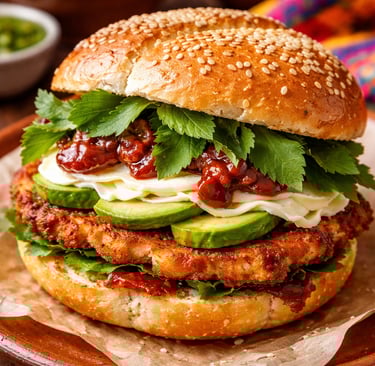
The cemita sandwich, a treasured culinary delight from Puebla, Mexico, showcases a variety of core ingredients that contribute to its unique flavor and structure. The foundational element of this sandwich is the special cemita bread, which is distinctively fluffy yet sturdy, making it capable of holding the generous fillings without becoming soggy. The bread is typically topped with sesame seeds, offering an additional layer of texture and nuttiness.
In terms of protein, the cemita is incredibly versatile, allowing for various meats to be incorporated. Popular choices include milanesa, a breaded and fried beef or chicken cutlet, which delivers a satisfying crunch. Alternatively, carnitas—tender, slow-cooked pork—adds a rich, savory flavor, while grilled chicken offers a lighter option. The choice of meat can often depend on local preferences or availability, showcasing the adaptability of this sandwich to different tastes.
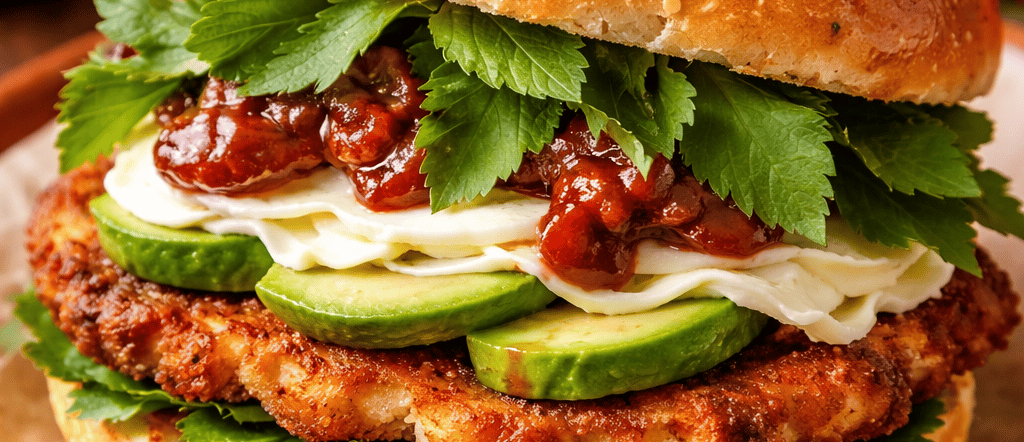
Toppings further elevate the cemita’s profile. Slices of ripe avocado impart creaminess, balancing the savory elements. White cheese, often Oaxaca or fresco, provides a mild, salty flavor that complements the meat. Chipotle sauce introduces a smoky heat, enhancing the overall taste experience. For those who prefer a meatless option, roasted vegetables or a combination of beans and plant-based proteins can substitute for traditional meats, ensuring that both vegetarians and meat lovers can enjoy this iconic sandwich.
The thoughtful interplay of these ingredients—bread, meat, toppings—crafts a sandwich that is not only delicious but also a reflection of the region’s culinary heritage. Each component plays a vital role in achieving the signature flavor and texture that defines the cemita, making it a beloved choice among locals and visitors alike.
Preparation: Crafting the Perfect Cemita Sandwich
To truly appreciate the depth of flavor found in a traditional cemita sandwich, it is essential to understand the meticulous preparation involved. The very foundation of this iconic Mexican dish lies in its bread, a unique cemita roll. This roll is typically made from a mixture of flour, yeast, water, and salt, resulting in a light and airy texture. After kneading the dough, it is left to rise before being shaped into a round bun and baked until golden brown. A sprinkle of sesame seeds on top adds an additional layer of flavor and a distinct visual appeal.
Next comes the preparation of the filling, which can vary widely among different families and eateries in Puebla. Common ingredients include various meats such as pork, beef, or chicken, which are often marinated and then grilled or fried to enhance their flavor. The technique of grilling is widely favored as it imparts a smoky taste, while frying can add a delightful crispiness. Once the meat is cooked, it is typically sliced or shredded and prepared for assembly.
Layering is key when it comes to building the perfect cemita. A traditional recipe often includes toppings such as avocado, papalo (a unique herb resembling cilantro), onions, and a tangy, spicy salsa. Each layer not only adds to the complexity of flavors but also contributes to the overall texture of the sandwich. It is essential to balance the ingredients thoughtfully to allow each component to shine without overpowering the others.
As you assemble the cemita, placing the fillings in the right order—starting with the meat, followed by fresh vegetables and ending with condiments—ensures a harmonious blend of flavors in every bite. The result is a culinary masterpiece that reflects the rich heritage of Puebla and the diligent craftsmanship that goes into creating an authentic cemita sandwich.
Cemita Sandwich Variations and Popularity
The classic cemita sandwich, originating from Puebla, has transcended its regional roots to become a celebrated dish throughout Mexico and beyond. As culinary innovations take center stage, cemitas have evolved into diverse interpretations that reflect local tastes and ingredients. In many urban centers, it is not uncommon to find stylish restaurants and food stalls offering unique variations of the traditional cemita, incorporating different proteins such as carnitas, fish, or grilled vegetables. Furthermore, the pairing of innovative sauces, ranging from traditional mole to vibrant salsas, enhances the flavors and appeal of these sandwiches.
Beyond Mexico's borders, the popularity of cemitas has sparked interest in international cuisine. Foodies around the world are increasingly drawn to the concept of this distinctive sandwich, showcasing its adaptability. Some culinary experts have experimented with fusion ingredients, integrating elements from other cuisines into the cemita framework. For instance, Asian-inspired cemitas featuring sesame sauce or spicy Korean pickles promise to tantalize adventurous palates while introducing new dimensions to this remarkable food.
The admiration for cemitas extends beyond mere novelty; they are entrenched in the daily lives of locals and tourists alike. Food festivals frequently celebrate this iconic sandwich, emphasizing its place in Pueblan culture. Street vendors proudly sell cemitas, often serving them to long lines of eager customers. This deep-rooted love for cemitas not only highlights their deliciousness but also reflects the rich culinary heritage they represent. As culinary practices continue to evolve, cemitas remain an enduring symbol of Pueblan pride, bridging traditional tastes with contemporary flair.