
History of Classic Hot Italian Sandwiches
3/5/20268 min read
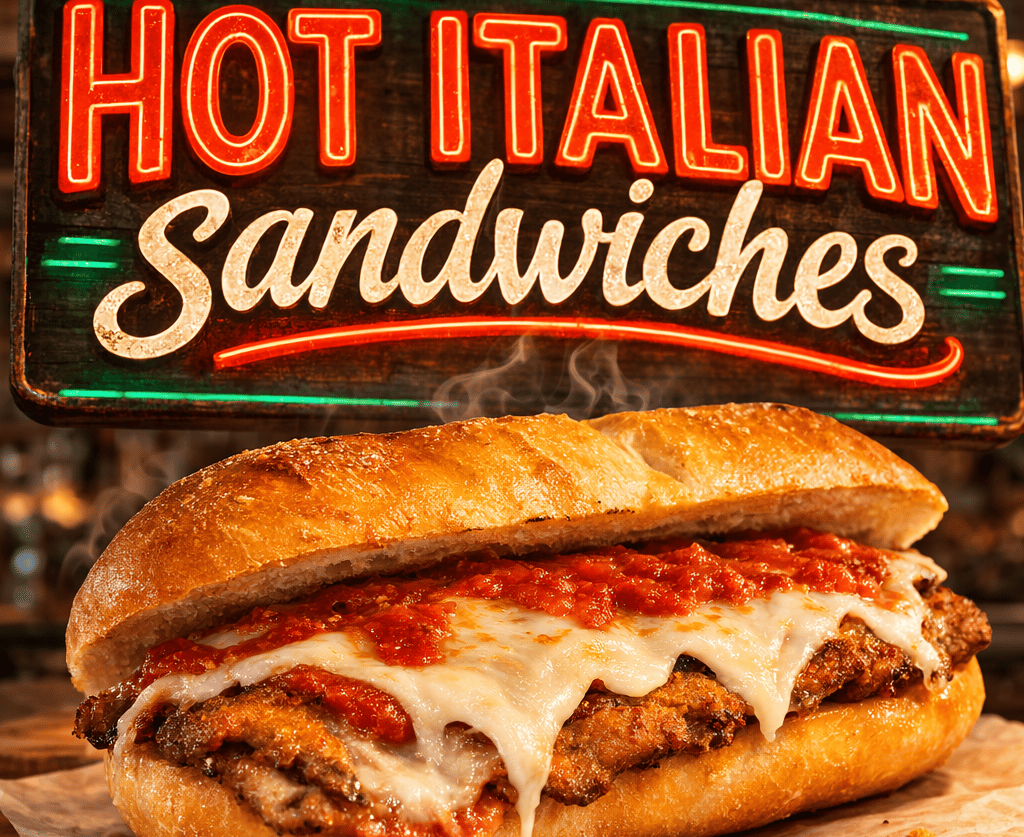
Introduction to Hot Italian Sandwiches
Hot Italian sandwiches, often referred to as panini or hoagies in different regions, are a quintessential element of Italian-American cuisine that has captured the hearts and palates of many. These delightful sandwiches are characterized by their warm, toasted bread and an assortment of rich, savory fillings, which typically include various meats, cheeses, and vegetables. Their popularity extends across America, particularly in regions with a rich Italian heritage such as New York, Chicago, and Philadelphia.
The culinary roots of hot Italian sandwiches can be traced back to Italy, where similar concepts originated. However, the unique combination of ingredients and preparation techniques in the United States has transformed them into a beloved staple within the deli and restaurant scene. The sandwiches often feature iconic Italian ingredients such as salami, mortadella, provolone cheese, and peppers, all harmoniously layered to create a satisfying meal experience.
In addition to their flavorful profiles, hot Italian sandwiches are significant for more than just their taste; they embody a sense of community and tradition. As Italian immigrants settled in various American cities, they brought their culinary traditions with them, ultimately leading to the evolution of these sandwiches as a comfort food. They have become a symbol of cultural identity and pride, making their way from street corners to gourmet cafes and home kitchens alike.
Ultimately, hot Italian sandwiches serve not only as a delicious meal option but also as a representation of Italian-American heritage. They have transitioned from their traditional origins to modern variations that continue to delight customers, reinforcing their status as a timeless favorite.
Historical Origins of Italian Sandwiches
The origins of Italian sandwiches are deeply rooted in the culinary traditions of Italy, where the concept of using bread as a vessel for various fillings dates back centuries. Traditionally, Italian cuisine emphasizes fresh, high-quality ingredients, and this principle was carried over when immigrants began to introduce these sandwiches to other countries, especially the United States.
In Italy, panini, which translates to "small breads," were commonly filled with assorted meats, cheeses, vegetables, and sauces, making them a popular choice for both quick meals and leisurely dining. The development of these sandwiches can be traced back to the simple rural traditions of the country, where farmers would often pack leftover meats and cheeses into slices of bread to sustain them throughout a long day.
The migration of Italians to America, particularly during the late 19th and early 20th centuries, played a crucial role in the evolution of these Italian sandwiches. As large communities settled in cities such as New York, Chicago, and Philadelphia, they brought their culinary customs with them. Italian markets and delis began to flourish, catering not only to the immigrant community but also to a rapidly diversifying population. This led to the fusion of different culinary elements, resulting in unique variations of traditional sandwiches.
Key historical milestones, such as the establishment of Italian neighborhoods and cultural festivals, further solidified the popularity of these sandwiches. The introduction of regional specialties, like the famous Italian beef sandwich in Chicago, showcased the adaptability of the Italian sandwich while maintaining its roots. Cultural influences from other immigrant communities also contributed to the growing variety of Italian sandwiches, allowing them to be shaped by new flavors and techniques.
This rich history illustrates how Italian sandwiches evolved from their Italian origins to become a beloved staple in American cuisine, exemplifying the blending of traditions and flavors that have defined the culinary landscape.
Signature Varieties of Hot Italian Sandwiches
Hot Italian sandwiches are celebrated for their diversity, ranging from classic meat lovers' picks to vegetarian options, each offering a unique culinary experience. Among the most popular types is the Veal Parmesan sandwich. Known for its tender, breaded veal cutlet, this sandwich is typically topped with marinara sauce and melted mozzarella cheese, all served on a fresh sub roll. The combination of flavors creates a rich, savory delight that has become a staple in many Italian delis.
Another notable variety is the Chicken Parmesan sandwich, which features breaded chicken breast, marinara sauce, and cheese, much like its veal counterpart. This sandwich has gained immense popularity due to its satisfying texture and comforting flavors. Variations may include adding freshwater mozzarella or a splash of pesto, further enhancing the overall taste and presentation.
The Eggplant Parmesan sandwich presents a delightful vegetarian option, showcasing fried or baked eggplant slices layered with marinara sauce and cheese. This dish provides a hearty alternative without compromising on flavor, often garnished with fresh basil or arugula for a touch of brightness. Its unique application of eggplant introduces a satisfying umami element, appealing to both vegetarians and meat enthusiasts.
Finally, the Meatball sub stands out with its generous filling of seasoned meatballs simmered in marinara sauce, topped with provolone or mozzarella cheese. This sandwich is often toasted to perfection, allowing the cheese to melt into a creamy consistency while the meatballs provide a robust flavor punch. Various regions may offer their interpretations by incorporating additional spices or herbs to elevate this beloved classic.
In exploring these classic hot Italian sandwiches, it becomes evident that each variety presents a distinct composition and taste profile, collectively enriching the tradition of Italian cuisine.
Deli Style vs. Homemade Hot Italian Sandwiches
When it comes to hot Italian sandwiches, one can typically find two predominant styles: deli-style and homemade. Each format offers unique attributes that appeal to different preferences and experiences. Deli-style sandwiches usually feature a variety of meats, cheeses, and condiments all piled high on freshly baked bread. They represent a classic approach, often created by seasoned professionals who understand the art of sandwich making. The ingredients are often specifically sourced, ensuring that each component provides distinct, robust flavors.
A deli's specialty is its curated selection of meats, whether it's capicola, salami, or mortadella, typically combined with house-made sauces or dressings that elevate the overall taste. Deli-style hot Italian sandwiches may also have a signature touch, reflecting the regional influences of the area where the deli is located. The experience of enjoying a sandwich at a bustling deli, with the aromas of cured meats and freshly baked bread wafting through the air, adds to the overall charm.
On the flip side, homemade hot Italian sandwiches offer a personal twist. Crafting a sandwich at home allows for greater flexibility in ingredient selection and preparation. Home cooks can experiment with different types of bread, varying the crunchiness or softness based on personal preference. Additionally, utilizing leftover ingredients or integrating seasonal produce provides opportunities for creativity, ensuring that each sandwich can be customized to suit individual tastes.
While homemade versions may lack the authenticity of a seasoned deli, they can be equally satisfying. The ease of preparation and the comfort of creating in one’s own kitchen add to the enjoyment of homemade sandwiches. Overall, both deli-style and homemade hot Italian sandwiches each have their own merits, and the choice largely depends on convenience, personal taste, and the joy of crafting one’s culinary delight.
Essential Ingredients for Hot Italian Sandwiches
Hot Italian sandwiches are a culinary delight that seamlessly blend flavors and textures, creating an unforgettable dining experience. The foundation of these savory creations lies in their essential ingredients, each contributing a specific characteristic that enhances the overall enjoyment of the sandwich.
Starting with the bread, traditional choices often include ciabatta, focaccia, or even a sturdy Italian sub roll. These bread options not only provide structural integrity but also add a delightful crunch when toasted or grilled. The choice of bread can significantly influence the flavor profile of the sandwich, thus making it a crucial component.
Next, we move on to the sauces, which are vital for adding moisture and depth. Popular choices often include pesto, marinara, or a robust aioli. These sauces complement the other ingredients by introducing herbal, tangy, or creamy flavors that enhance the sandwich’s allure. A well-balanced sauce can elevate a hot Italian sandwich from ordinary to extraordinary.
When it comes to the meats, varieties such as salami, mortadella, capicola, and spicy Italian sausage are commonly used. Each type of meat has its own unique flavor and texture, ranging from rich and fatty to spicy and pungent. The combination of these meats creates a satisfying hearty experience that is one of the hallmarks of a classic hot Italian sandwich.
Lastly, cheeses such as provolone, mozzarella, or fontina are indispensable. These cheeses melt beautifully, resulting in a creamy texture while also providing a savory counterpart to the meats and sauces. Their ability to collaborate with other ingredients ensures a harmonious balance.
In conclusion, the essential ingredients for hot Italian sandwiches—bread, sauces, meats, and cheeses—work in concert to create a rich tapestry of flavors that define this beloved culinary tradition. Understanding these components allows one to appreciate the craftsmanship and creativity behind each sandwich.
Regional Variations and Unique Twists
Hot Italian sandwiches exhibit a remarkable range of regional variations, influenced by local tastes and culinary traditions in both the United States and Italy. Each region tends to add its flair, making the hot Italian sandwich a versatile staple that adapts well to various culinary contexts.
In the northeastern parts of the United States, for instance, the Italian-American sandwich known as the "sub" is prevalent. Here, it typically includes a plethora of ingredients such as salami, provolone, and roasted peppers, often topped with a drizzle of olive oil. These subs highlight the blend of traditional Italian flavors with an American twist, showcasing their adaptability as they cater to local preferences.
Going further south, the presence of hoagies brings about a different perspective on the hot Italian sandwich. Hoagies often feature hot ingredients like grilled sausage or peppers, set on a soft, elongated bread roll. This format often accommodates creative variations such as the cheesesteak, blending classic Italian ingredients with Philadelphia’s iconic beef sandwich.
In Italy, the regional variations are even more pronounced. The classic porchetta served in Central Italy presents a different angle on hot sandwiches, featuring succulent roasted pork that is typically seasoned with herbs and spices. In Sicily, one may encounter the "Pane con la Milza," a unique creation involving a sandwich filled with spleen and lung, reflecting local culinary traditions that embrace bold flavors.
The push towards fusion cuisine has also led to innovative interpretations of the hot Italian sandwich. Some modern establishments provide options like the "Thai-inspired meatball sub," incorporating flavors such as peanut sauce and cilantro, making the dish a global representation of the hot Italian sandwich. Through these regional and creative adaptations, hot Italian sandwiches serve as a canvas for culinary experimentation, celebrating both tradition and innovation.
Making Your Own Hot Italian Sandwiches
Hot Italian sandwiches hold a prominent place in the culinary history and culture of Italy and the Italian-American community. These sandwiches are not merely a meal; they represent a fusion of flavors, traditions, and artisan craftsmanship that has evolved over decades. As you delve into the rich tapestry of these savory sandwiches, you will discover the significance they hold as comfort food, particularly in gatherings and special occasions.
The beauty of hot Italian sandwiches lies in their versatility. While traditional recipes offer a strong foundation, there is plenty of room for creativity. One can choose from a myriad of ingredients such as various meats, cheeses, and vegetables, and incorporate unique sauces or spices to craft a sandwich that reflects personal taste. Experimentation is encouraged; consider swapping out traditional proteins like mortadella or genoa salami with grilled vegetables or plant-based alternatives to cater to diverse dietary preferences.
When embarking on your sandwich-making journey, it is advisable to focus on the quality of ingredients. Freshly baked bread, authentic cheeses, and high-quality cured meats can significantly elevate the end product. Additionally, consider layering flavors with condiments like pesto, vinaigrettes, or aiolis that can bring a new dimension to your hot Italian sandwich. Whether you are toasting your creation until perfectly golden or opting for a streamlined assembly approach, the possibilities are endless.
In conclusion, hot Italian sandwiches serve as a perfect avenue for culinary exploration. By understanding the history and variety of these exquisite sandwiches, you are inspired to craft your own version at home. Embrace the diversity and richness of flavors that characterize this iconic dish, and let your creativity flourish. Happy sandwich making!