
Brazilian Bauru Sandwich: A Tasty History
3/17/20264 min read
The Origins of the Bauru Sandwich
The Bauru sandwich, a culinary gem of Brazilian cuisine, traces its roots back to the city of Bauru, located in São Paulo State. Its origins date back to the early 20th century, particularly around the 1930s. This iconic sandwich was first crafted by a group of local college students, who sought a hearty meal to fuel their long hours of study and socializing. The original creation is credited to a local café, which still boasts prominence in the city today.
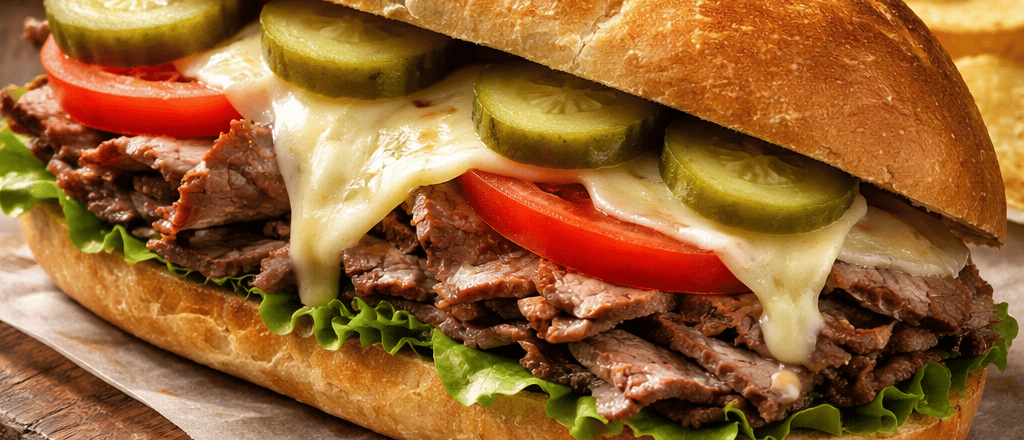
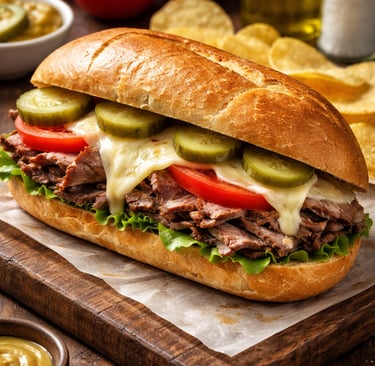
Initially, the Bauru sandwich consisted of a simple combination of ingredients: a French roll filled with roast beef, melted cheese, pickles, and tomatoes. Over time, additional elements began to enrich the classic recipe, with some variations including the addition of mustard or mayonnaise, each reflecting personal preferences and local twists. This evolution of the sandwich not only showcases the versatility of Brazilian culinary culture but also highlights communal innovation driven by its early enthusiasts.
The cultural significance of the Bauru sandwich in Brazil goes beyond its tasty composition. It embodies the spirit of companionship and solidarity among friends during their formative years. Anecdotes abound about several gatherings at the café where the sandwich was first created, as it became a symbol of camaraderie among students. As word spread about this delightful meal, the Bauru sandwich quickly garnered popularity, transcending its local beginnings. It eventually became a staple in many restaurants and eateries throughout Brazil, showcasing the unique flavors and traditions of the region.
The Bauru sandwich has not only maintained its appeal over the decades but has also earned its status as a beloved classic in Brazilian gastronomy. Today, it continues to be a celebrated dish among both locals and tourists, representing the rich cultural tapestry of Brazil's culinary history.
Traditional Ingredients and Preparation
The Bauru sandwich is a quintessential Brazilian dish that draws its flavor from a selection of traditional ingredients. The core components typically consist of roast beef, melted cheese, and fresh tomatoes. The meat is usually prepared by slow-cooking or roasting to enhance its tenderness and infuse it with rich flavors. Commonly, a type of cheese called queijo prato is used, notable for its creamy texture and ability to melt well, though variations may include mozzarella or other local cheeses.
The choice of bread is equally critical to the Bauru's integrity. Initially, it was served on a round white bread roll; however, different regions may utilize various forms of bread, including baguettes or ciabatta. These bread types not only provide a base but also contribute to the overall experience by adding crunch or chewiness, which contrasts with the softness of the meat and cheese.
The preparation method significantly influences the final product. Traditionally, the meat is thinly sliced and arranged in the sandwich after being heated on a grill or press, commonly referred to as a "panini" press. This technique allows for the cheese to melt uniformly, creating a delightful gooey consistency that binds the ingredients together. Layering the components carefully is essential, as each bite aims to deliver a combination of savory meat, creamy cheese, and the freshness of tomatoes.
Furthermore, some variations may include additional ingredients such as pickles, olives, or even mustard, each adding distinct flavors that enhance the overall profile of the Bauru. Ultimately, the traditional preparation techniques, alongside the choice of quality ingredients, play a crucial role in creating the unique taste and texture that enthusiasts of the Bauru sandwich have come to adore.
Regional Variations of the Bauru Sandwich
The Bauru sandwich, originally hailing from the city of Bauru in São Paulo State, has evolved significantly as it spread across Brazil. Each region has embraced this classic dish, adding its own local ingredients and flavors, which exemplify the diverse culinary landscape of the country. In Rio de Janeiro, for instance, one of the most popular adaptations incorporates additional toppings such as fried eggs and avocado, creating a richer taste profile that appeals to the local palate.
In the southern parts of Brazil, specifically in Paraná, the Bauru is often prepared with a more robust combination of meats, such as smoked ham and sausage. This variation highlights the region's inclination towards heartier dishes, reflecting the local food culture that favors rich flavors and ample portions. Additionally, the use of regional cheeses, like the well-known queijo colonial, adds a distinctive touch to the sandwich, showcasing the local dairy industry.
Moving to the north, in cities like Recife and Salvador, the Bauru takes on a unique twist with the incorporation of tropical ingredients. For instance, one popular variant replaces the traditional pickles with slices of fresh palm heart, offering a refreshing contrast to the savory elements of the sandwich. The infusion of local spicy condiments further enhances the flavor, turning the Bauru into a dish that not only delights the taste buds but also represents the vibrant culture of the northeast.
In conclusion, these regional variations of the Bauru sandwich illustrate how this beloved dish has adapted to incorporate local ingredients and culinary traditions, making it a true representation of Brazil's rich gastronomic heritage. Whether enjoyed in a busy city or a quaint small town, the Bauru continues to bring together diverse flavors and traditions, thereby enriching the dining experience across the nation.
The Bauru sandwich, originating from the city of Bauru in Brazil, has become an integral part of modern Brazilian culture, transcending its humble beginnings to gain widespread recognition. Originally a simple assembly of meat, cheese, and condiments, the Bauru has evolved and adapted, reflecting contemporary culinary trends and preferences. Its popularity in urban areas, especially in major cities, is a testament to its enduring appeal.
In restaurants across Brazil, the Bauru sandwich is featured prominently on menus, cherished for its rich flavors and customizable options. Chefs have taken the classic recipe and adapted it, introducing innovative ingredients such as gourmet cheeses, artisanal breads, and specialty sauces. This has resulted in a diverse range of Bauru variations, each celebrating local flavors while respecting the sandwich's historical roots.
Furthermore, Bauru sandwiches are a staple at food festivals and street food events across Brazil. Vendors often showcase their unique takes on this iconic dish, attracting food enthusiasts eager to experience the many interpretations of the Bauru. The sandwich's adaptability not only reflects Brazilian culinary creativity but also embodies the spirit of fusion that is prevalent in today’s food scene.
As global food trends continue to influence local cuisines, the Bauru sandwich maintains a prominent role. Its presence in food trucks and casual dining spots caters to the younger generation, seeking quick yet satisfying meals. Through social media platforms, the Bauru has reached an international audience, contributing to its growing popularity beyond Brazil. In essence, the evolution of the Bauru sandwich showcases how traditional dishes can thrive in modern culture, blending history with contemporary flavors and techniques.