American Submarine Sandwich: Regional Names
3/6/20268 min read
Regional Names of the American Submarine Sandwich
The American submarine sandwich, often simply referred to as the "sub," has roots deeply embedded in the culinary traditions of Italian immigrants who settled in the United States during the late 19th and early 20th centuries. These immigrants brought with them rich culinary customs from their homeland, which included various types of bread filled with meats, cheeses, and vegetables. The concept of a sandwich composed of a long, crusty Italian bread filled with an array of ingredients can be traced back to these early Italian communities.
One theory regarding the term 'submarine' suggests that it derives from the shape of the sandwich, which resembles a submarine or a submersible vessel. Italian-American communities in places such as New York and Philadelphia began to popularize the sandwich, resulting in various regional adaptations that differed in ingredients and preparation methods. The original versions often included a combination of cured meats like salami, capicola, and mozzarella, along with fresh vegetables.
As the sandwich gained popularity throughout the United States, particularly in urban areas with large Italian populations, different names began to emerge. The term "hero" is commonly used in New York City, while in New Jersey, the sandwich is often referred to as a "hoagie," a name believed to have emerged from Italian immigrants in Philadelphia. Each of these designations reflects not only the sandwich's evolution but also the diverse cultural influences that shaped it.
In essence, the evolution of the American submarine sandwich illustrates a journey through history, marked by the contributions of immigrant communities that transformed a simple Italian concept into a beloved American staple. The wide array of variations available today serves as a testament to the adaptability and enduring appeal of this culinary creation.
The submarine sandwich, often referred to by various names across different regions of the United States, showcases the rich tapestry of culinary vocabulary shaped by local dialects and cultural influences. The array of terminology includes hoagies, grinders, subs, and heroes, each reflecting distinct historical and cultural roots that influence what residents call this beloved sandwich.
In the Philadelphia area, the term "hoagie" reigns supreme, believed to have originated from the Italian immigrants who worked at the hog island shipyard in the early 20th century. Meanwhile, in New York City, these sandwiches are commonly known as "heroes," a name purportedly derived from their grandeur and substantial size, suggesting that one must be a hero to finish it.
Conversely, the term "sub" is prevalent in many parts of the U.S., originating from the word "submarine" due to the sandwich's elongated shape. The term is widely adopted in areas such as New England and the Midwest, often reflecting the influence of various Italian-American communities that helped popularize the sandwich.
Regional variations do not stop there; the term "grinder" is primarily used in New England, where local dialects have favored this name. It is speculated that the name comes from the act of grinding the meat for the sandwich or from the grinding motion involved when chewing a particularly hearty sandwich.
Ultimately, the names of submarine sandwiches across the United States illustrate how language evolves in response to culture, industry, and local traditions. Each term carries history and personal meaning, allowing locals to cherish and celebrate their own variant of this universally popular food item.
The Classic Submarine vs. Other Variants
The classic submarine sandwich, often simply called a "sub," originates from Italian immigrants in the early 20th century. Characterized by its elongated, crusty bread, the traditional sub is generally filled with an assortment of ingredients, including meats, cheeses, vegetables, and condiments. Its versatility allows for a myriad of combinations, catering to diverse tastes and preferences.
In contrast, one of the most notable variants is the hoagie, which is particularly popular in the Philadelphia area. While both hoagies and subs utilize similarly styled bread, the fillings and preparation often differ. A hoagie typically features a combination of meats such as salami, ham, or turkey, paired with provolone cheese and garnished with oil, vinegar, and Italian herbs. Notably, the use of fresh, local ingredients also distinguishes the hoagie, emphasizing a regional pride in its craftsmanship.
Another popular variant is the grinder, which generally refers to a hot sandwich often made with meats such as meatballs or sausage, topped with melted cheese. Unlike the primarily cold preparations typical of the classic sub, grinders are usually warmed or toasted, enhancing the flavors of the fillings. The term ‘grinder’ is most commonly used in New England and is synonymous with hearty, fulfilling sandwiches.
Lastly, the torpedo, sometimes known as a "bomb" in certain areas, tends to emphasize a stouter bread and often carries more substantial fillings compared to its counterparts. This variant focuses on a more robust sandwich experience, often loaded with multiple layers of deli meats and cheeses, reflecting a hearty appetite.
In essence, while the classic submarine sandwich serves as a foundational representation of this beloved culinary category, other variants like the hoagie, grinder, and torpedo present their unique characteristics that cater to various regional tastes and preferences, enriching the overall sandwich landscape.
Regional Specialties: A Closer Look
Across the United States, the submarine sandwich has evolved into a diverse array of regional specialties, each boasting its own unique ingredients and flavors. These specialties not only reflect local tastes but also highlight the cultural influences that have shaped the culinary landscape.
One of the most famous regional variants is the muffuletta from New Orleans. Originally crafted by Italian immigrants, this sandwich consists of a round loaf of bread filled with a variety of meats, including salami and mortadella, along with layers of cheese and a signature olive salad. The combination of robust flavors and textures makes the muffuletta a beloved specialty, perfectly embodying the rich cultural heritage of Louisiana.
Another notable regional favorite is the po'boy, which serves as a quintessential representation of Louisiana cuisine. A po'boy typically features a fresh baguette stuffed with either fried seafood or roast beef, accompanied by toppings such as lettuce, tomatoes, pickles, and mayonnaise. The po'boy has a storied history tied to the working-class community of New Orleans, giving it a significant cultural and social context. Its variations include the shrimp po'boy, catfish po'boy, and the classic roast beef, each one offering a different taste experience while remaining true to its roots.
Moving north to Boston, the spukie emerges as a local favorite. This sandwich usually includes cold cuts, meats, and a variety of toppings that can include roasted peppers and various cheeses, all served on a hearty Italian bread. What sets the spukie apart is its generous portioning and the array of flavor combinations, showcasing the regional influence of Italian-American cuisine. Each bite delivers a savory blend that captures the essence of Boston's vibrant food culture.
These regional specialties exemplify the versatility of the submarine sandwich and demonstrate how local ingredients and traditions can transform a simple meal into an iconic dish.
Common Ingredients: What’s In a Submarine Sandwich?
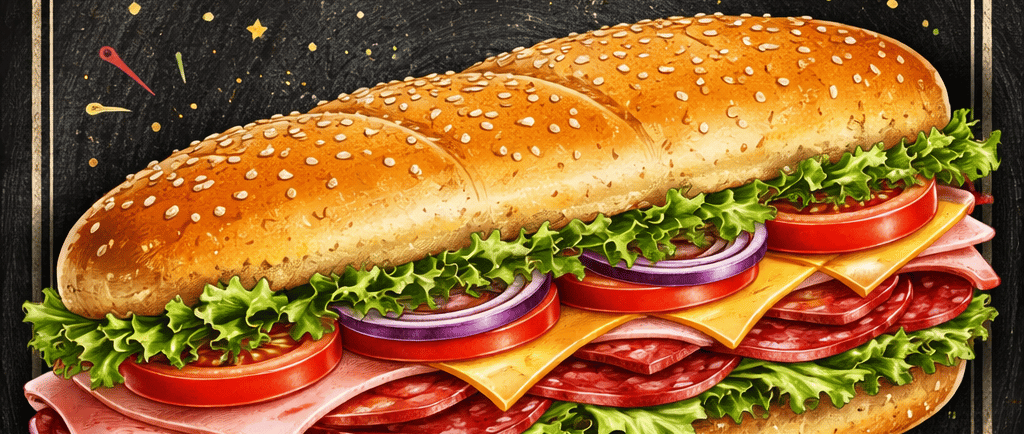
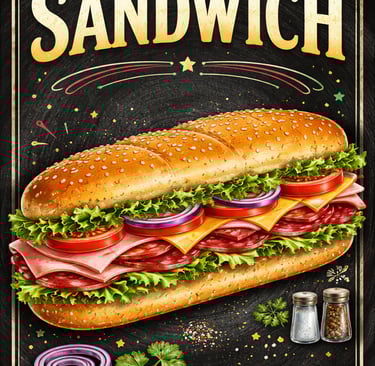
A submarine sandwich, commonly referred to as a sub, comprises an array of ingredients that contribute significantly to its unique flavor and texture. At its core, the defining characteristic of a sub is its long roll, which is often made from a variety of breads, including white, wheat, or ciabatta. The fillings of a submarine sandwich can vary widely, reflecting regional preferences and cultural influences.
Meats are an essential component of many submarine sandwiches, with popular choices including turkey, ham, salami, roast beef, and pepperoni. Many variations include more flavorful options such as capicola and bologna, which can often be found in Italian-style subs. The specific combination of meats not only adds a depth of flavor but also varies by region; for example, the New Orleans-style po'boy famously incorporates fried seafood or roast beef.
Cheese is another vital ingredient in a submarine sandwich. Common varieties include provolone, mozzarella, cheddar, and American cheese. The choice of cheese often complements the meat selection, enhancing the overall taste experience. For instance, an Italian sub might feature provolone, while a cheesesteak variation would typically include cheese whiz or provolone.
Vegetables add freshness and crunch to submarine sandwiches. Typical choices include lettuce, tomatoes, onions, and peppers. Notably, regional variations might introduce ingredients such as pickles in the Midwest or avocados in California-style subs. Moreover, olives and jalapeños can offer an additional kick, further diversifying the flavor profile.
Finally, sauces play an integral role in enhancing the taste of a submarine sandwich. Common options include mayonnaise, mustard, vinaigrette, and oil and vinegar. The specific sauce selection can significantly influence the overall character of the sandwich, reflecting individual preferences and regional specialties.
Cultural Significance of Submarine Sandwiches
Submarine sandwiches have transcended their role as mere food items to become a significant aspect of American culture. Their presence can be felt in various social settings, accentuating the communal nature of dining. Often served at gatherings ranging from family picnics to festive celebrations, submarine sandwiches are frequently the centerpiece of social festivities. Their versatility allows for a wide array of fillings, accommodating diverse tastes and dietary preferences, thus making them a favored choice for public events.
Beyond mere sustenance, submarine sandwiches occupy a prominent place in American popular culture. References to these beloved sandwiches can be found in various media, including television shows, films, and literature, where they are often depicted as symbols of comfort and nostalgia. Such portrayals reinforce the association of submarine sandwiches with everyday life, emphasizing their role as an affordable and satisfying meal option during busy times or leisurely moments alike.
Moreover, the emergence of specialty sandwich shops and delis highlights the importance of submarine sandwiches in the culinary landscape. These establishments not only introduce innovative fillings and local ingredients but also foster community engagement by serving as gathering spots. They cultivate a sense of belonging, where individuals can come together over a shared appreciation for this iconic dish. The kindly act of passing around submarine sandwiches fosters conversation, laughter, and companionship, reinforcing their status as more than just food but rather as a unifying force within American communities.
In light of their historical roots and continual evolution, submarine sandwiches have established themselves as a quintessential component of American culture, encapsulating the spirit of togetherness and comfort. Their cultural significance is manifested in their role at community gatherings, their presence in popular culture, and their embodiment of comfort food.
Trends and Innovations
The landscape of dining is rapidly evolving, and the humble submarine sandwich is not exempt from this metamorphosis. As food trends shift towards health consciousness and gourmet flavors, the future of submarine sandwiches appears to be quite dynamic. One noteworthy trend is the increasing demand for healthier options. With consumers becoming more health-savvy, sandwich makers are incorporating whole grain breads, reduced-fat proteins, and a diverse array of fresh vegetables. This shift aligns with a broader movement in the food industry that emphasizes wellness and nutrient-rich diets.
Moreover, plant-based ingredients are rising in popularity, providing an exciting alternative for those who prefer vegetarian or vegan options. Restaurants are beginning to experiment with plant-based proteins, such as tempeh, jackfruit, and various legumes, creating hearty and satisfying submarine sandwiches without relying on traditional meat fillings. This innovation not only appeals to health-conscious diners but also caters to a growing demographic seeking sustainable eating practices.
The rise of gourmet variations is another significant trend shaping the future of submarine sandwiches. Chefs are rethinking traditional recipes by incorporating globally inspired flavors and artisanal ingredients. For instance, gourmet sandwich shops are offering unique spreads, gourmet cheeses, and locally sourced meats to create elevated experiences. An example includes Mediterranean-inspired submarines featuring za'atar, tzatziki, or marinated vegetables, reflecting current culinary trends that prioritize bold flavors.
As technology plays a larger role in dining, many restaurants utilize digital platforms for ordering and customization. This allows customers to select their preferred ingredients seamlessly, paving the way for a more personalized submarine sandwich experience. In essence, the future of submarine sandwiches thrives on ingenuity, juxtaposing traditional foundations with contemporary influences, ensuring that this iconic meal adapts to meet the palates of a diverse and evolving clientele.